







 Prefer us on Google

September 10 2026 - 1:00pm
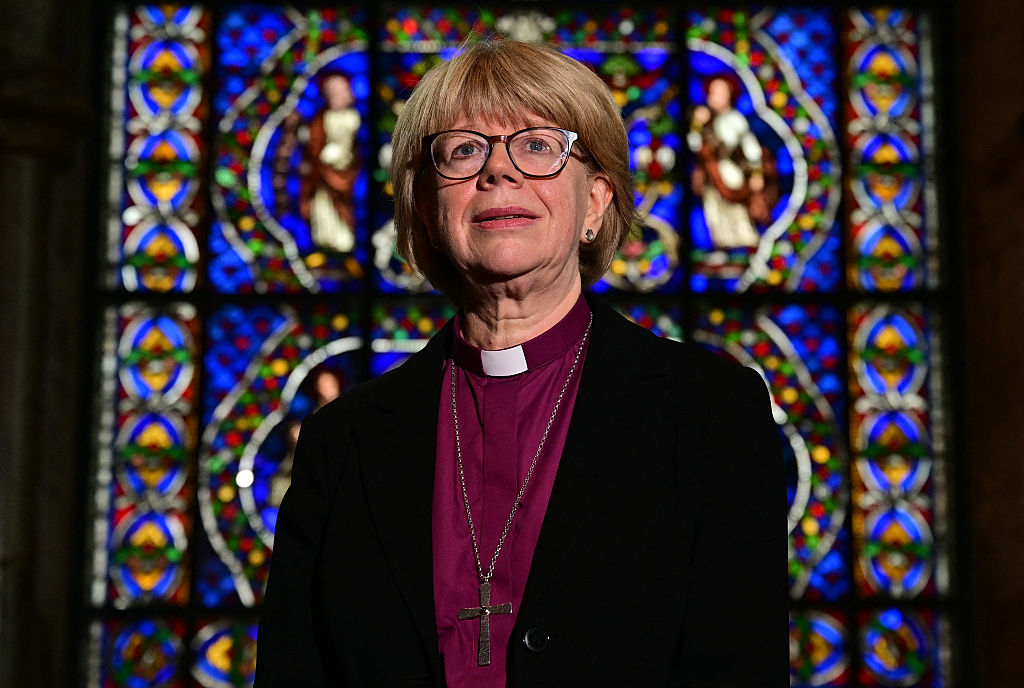
Earlier this week, Archbishop of Canterbury Sarah Mullally wrote an opinion piece in the Telegraph urging MPs to vote against the reintroduced Terminally Ill Adults (End of Life) Bill when it comes before the Commons on Friday. The article restates her opposition to assisted dying, expressed in a speech in the House of Lords last year and again when the previous bill ran out of time in the upper house in April.
Mullally’s predecessor, Justin Welby, also objected to assisted dying legalization during the passage of the previous bill, but by the time the key Second Reading vote took place in November 2024, he had announced his resignation over safeguarding failures. The argument the bishops most wanted to make — that the state cannot be trusted to protect the vulnerable from coercion — was being made by an institution that had just demonstrated it could not protect the vulnerable in its own care.
That is the deficit Mullally is placed to repair. The Archbishop objects to assisted dying because the pressure to opt for the measure against one’s own wishes will fall most heavily on those who are most vulnerable: the poor, disabled people, and ethnic minorities. Although these arguments dovetail with Church of England perspectives on assisted dying, they are clinical rather than religious objections that echo those made by, among others, secular disability campaigners.
The Church of England has no magisterium, and its bishops may dissent publicly from the corporate line without consequence. One of Mullally’s predecessors, the generally conservative George Carey, publicly urged the current crop of Lords Spiritual to back the legislation in 2024. An archbishop who can’t demand her own bishops follow her line certainly can’t command MPs. Persuasion is all Mullally has, and if she wants to affect Friday’s outcome, she needs to give wavering politicians arguments for voting against the bill that aren’t religious in nature.
Mullally can only intervene effectively when she does so sparingly. In comparison with the whirl of interventions that marked Welby’s first years in post, her public comments in her initial months have been infrequent but well-timed and considered. Her strengths and weaknesses in the early part of her archiepiscopate are exactly what those who knew her before her appointment expected. She doesn’t have a charismatic personality and isn’t a strong public speaker. But she is a superlative backroom operator who knows how to make bureaucracies work, as well as how to time and weight her public contributions.
If the bill passes its second reading on Friday, it will almost certainly be by only a narrow margin. Support eroded during the last bill’s passage, with its majority narrowed from 55 to 23 between second and third reading. Similarly, the Scottish Parliament voted against assisted dying at the final stage in March, having previously voted in favor. Should Friday’s vote be in support of the bill, much work will remain in committee, on third reading, and in the Lords. That is where issues such as conscience protections for hospices and staff will be decided, and where the bill might even fall entirely. It is that terrain — institutional, technical, and out of the limelight — where Mullally is at her best.