









September 30 2026 - 1:00pm
Since the United States first struck Iranian military targets seven months ago, Tehran’s strategy has revolved around using the Strait of Hormuz as a trump card to pressure Washington into either negotiating a peace or ending the war unilaterally.
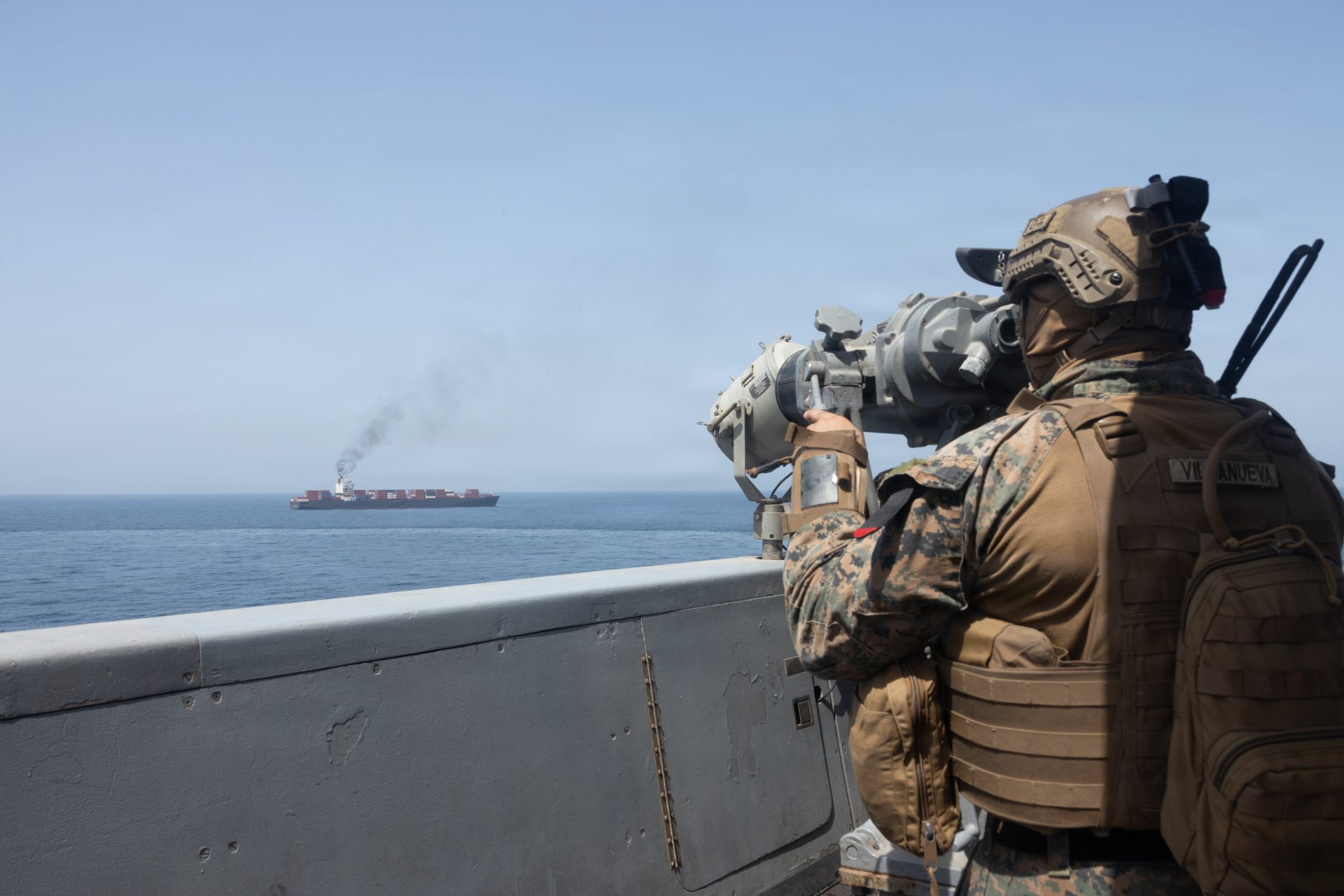
The Islamic Revolutionary Guard Corps (IRGC) wasted little time gumming up the waterway, using a combination of cruise missiles, drones and rhetorical threats to deter tankers from transiting through the area. The effects were almost immediate: the number of ships that traveled through the Strait each day plummeted from around 130 before the war to single digits, raising global crude oil prices, forcing some Middle East suppliers to ease production and creating a political storm for Donald Trump.
However, Iran’s leverage seems to be eroding. While it’s impossible to pinpoint oil flows through the Strait with certainty, Iran’s closure is losing its luster as the US military expends resources to give shipping companies the confidence to make the journey again. According to Kpler, an average of 1o million barrels of oil per day left the Middle East this month, still well below the pre-war level of around 16 million. The US blockade of Iranian ports, meanwhile, has essentially shut down Tehran’s ability to export crude.
But is the US any closer to winning the conflict than it was previously? Despite the optimistic headlines, the short answer is no.
First, we need to remember what the US is trying to accomplish. While the Trump administration has had a difficult time explaining its war aims to the American public, it has largely focused on two objectives: reopening the Strait of Hormuz in its entirety and coercing Tehran into signing a nuclear agreement that meets US expectations. The US blockade of the Strait is designed to bring Iran around to both of those positions. Bankrupting Iran’s economy is not the sole objective — it’s a means to an end, with the end being a more malleable Iranian negotiating position.
Yet by the looks of it, this isn’t happening. Tehran’s bottom line is the same today as it was when it signed the Memorandum of Understanding in June. Iranian Foreign Minister Abbas Araghchi met with Arab mediators in New York this week to discuss Tehran’s latest peace proposal, but it is largely a return to the MOU, albeit on a faster timetable. This would require the US to waive sanctions on Iranian oil, release Iranian frozen assets and end the war on all fronts, including in Lebanon, where Israel and Hezbollah continue taking potshots at each other.
Despite the amount of oil revenue the Iranians are losing, and a return to relative normality in the Strait, the stand-off between Washington and Tehran remains. If Iran’s position hasn’t moved, can Americans truly say with any confidence that Trump’s strategy is bringing the country closer to victory?
US officials are no doubt jumping for joy as the flow of oil moves closer to pre-war numbers. With every barrel getting out, Iran loses more of its power to hold energy markets hostage. Yet less Iranian power in the Strait will not automatically translate into more regional stability. In fact, it might even result in the exact opposite scenario. With the Iranians no longer able to throttle the waterway, the IRGC will look for ways to recoup its leverage, both to raise havoc in global energy markets again as well as to pressure Washington — and by extension, its partners in the Middle East — into reassessing its own policy.
The same Iranian missile and drone attacks that slammed into skyscrapers in Dubai, ports in Kuwait and natural gas facilities in Qatar in the first six weeks of the war could make an ugly return if Tehran doesn’t have any other options at its disposal. Iran’s proxies in the region could become more active as well — it’s not beyond the realm of possibility to imagine Saudi Arabia’s East-West pipeline, which at maximum capacity can carry seven million barrels of oil a day, being attacked by Iranian-backed Iraqi militias again. One also can’t rule out attacks outside the Middle East, particularly in Europe, where the Iranian security services have been known in the past to cause mischief.
Those celebrating an imminent American win should put the cork back in the champagne bottle. Iran will adapt before it surrenders.
Daniel R. DePetris is a fellow at Defense Priorities and a syndicated foreign affairs columnist for the Chicago Tribune.
 DanDePetris