









September 29 2026 - 7:00am
The timing could scarcely have been worse for the Home Secretary. Yesterday, Shabana Mahmood confirmed that Labour will open a UK resettlement route, with around a quarter of arrivals reserved for Afghan women and girls, alongside Palestinians “who have fled the horrors of Gaza”. Just a day before, the Sunday Times reported that a former Hamas bodyguard had secured asylum and British citizenship before allegedly plotting a terrorist attack against Jews in Europe. As a result, it will be hard to convince the public that refugee claims by Palestinians will be properly vetted.
Nigel Farage immediately criticized the move as Labour wanting to “mass import more people”, labeling it an “open border policy”. He went on to say that anyone admitted under the new scheme would be deported by a Reform UK government. Yet there is one element of the plan that should be welcomed, regardless of anyone’s views on migration: the sanctuary for Afghan women and girls. Indeed, if Britain’s migration policy is to prioritize women who have endured unimaginable hardship under an autocratic regime, then this is surely welcome.
Specifically, what has been proposed is a revival of the UK Resettlement Scheme, which stopped taking new referrals in December 2024. It will admit small numbers of Afghanistan’s 22 million women and girls, selected by UN bodies. Those accepted will receive temporary protection, putting them on a five-year route to settlement.
Mahmood says Britons “have not given up on their belief that we should be compassionate, live up to our international obligations, and save the lives of those fleeing war and persecution”. But, she adds, “this process must be capped and controlled.”
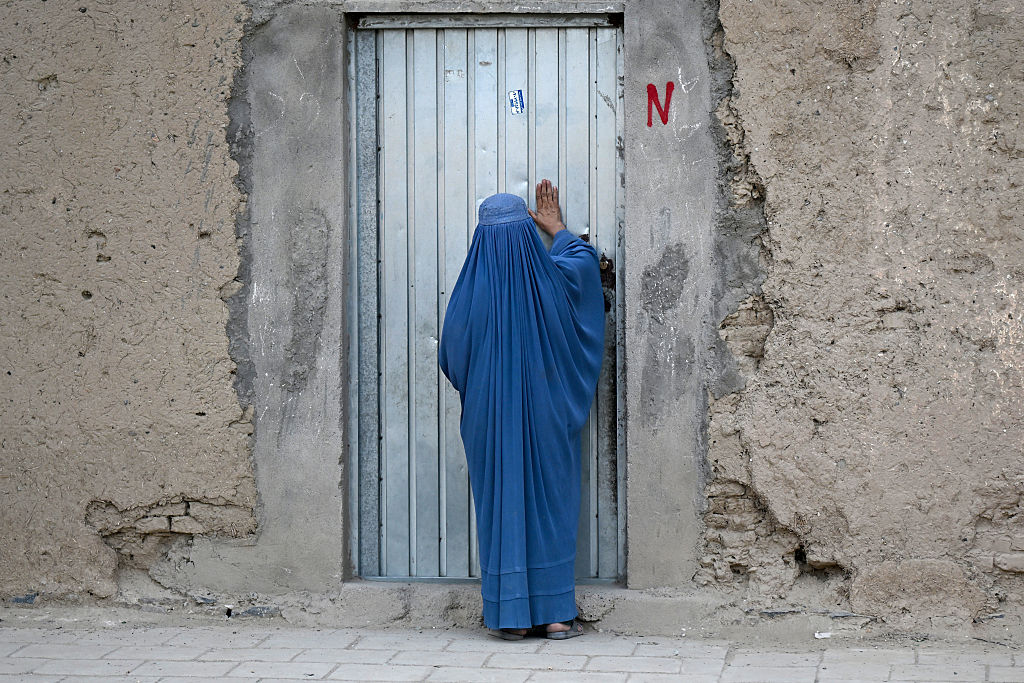
It pains me to agree with a Government minister, but she is right about Afghan women and girls. The world has turned its back on them, and it is shameful. Because they are women, they are shut in their homes and entombed beneath burqas; they are not treated as a conquered people or prisoners of war. But what else do you call a people denied education, work, speech and freedom of movement by an armed Islamist regime? The sale of young girls to dirty old men, while women face the threat of public stoning and orders to obscure windows through which they might be seen, can hardly be viewed as anything other than abhorrent.
In this vein, it’s easy to see why even those who oppose mass migration should support the move. The women and girls this scheme would help are not opportunists paying traffickers to ferry them from France in dinghies. They are women who have experienced brutal oppression, but also value education, liberty and democracy because each has been stolen from them.
Of course, this is not to say that the example of Afghan women should be applied too broadly. The Government must not be permitted to wave Afghan women’s suffering around as a moral fig leaf for a refugee scheme it cannot properly safeguard. But those who oppose uncapped migration often invoke British values and our way of life, and both are worth preserving. Women and girls stripped of their liberty by vicious Islamists threaten neither of those principles. On the contrary, people resilient enough to survive Taliban rule and build lives here may have more to offer Britain than many who take its freedoms for granted.
A small, orderly and properly vetted route to safety for Afghan women is not a betrayal of border control. Indeed, it is a rare flash of national self-confidence and something of which British people should be proud.
