









August 4 2026 - 4:00pm
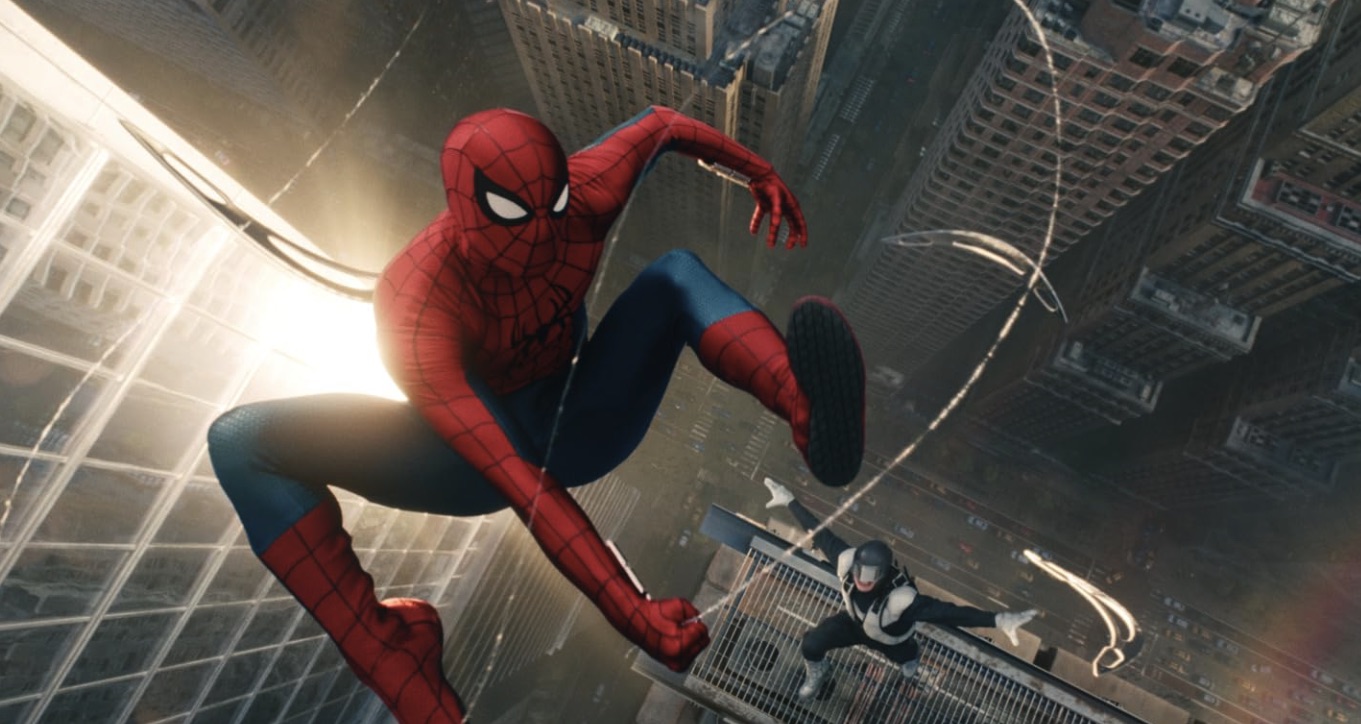
This could turn out to be a pivotal summer for movies. Spider-Man: Brand New Day — Tom Holland’s fourth feature film as the plucky web-slinger from Queens — just made almost a billion dollars globally over its opening weekend. Its domestic earnings surpassed the world record set by the franchise-capping Avengers: Endgame in 2019. If this were any other year in recent memory, there’d be nothing remarkable about a major blockbuster with hot young stars doing well. But the most intriguing thing about Spider-Man’s success is that, for 2026, it’s an anomaly.
May and June were grim months for name brands and sequels. Neither Baby Yoda nor Pedro Pascal could rescue Star Wars: The Mandalorian and Grogu, which became the lowest-grossing Star Wars film to date and seems to have wrecked Disney’s plans to revive the franchise. Then came the abysmal Masters of the Universe (based on Mattel’s “He-Man” TV series), Steven Spielberg’s disappointing alien drama Disclosure Day, and Milly Alcock in Supergirl — about which the less said, the better. Each did poorly at the box office and received lackluster reviews.
All these expensive failures were put to even greater shame by the comparative success of small, offbeat hits such as Sheep Detectives, The Invite, Backrooms and, of course, Obsession, the horror sensation of the year which cost less than $1 million and made almost $500 million.
Then came The Odyssey, a sweeping, big-budget epic that’s inching toward grossing $1 billion at the time of writing. It’s technically by a superhero director, and technically based on an existing IP, but the director is Christopher Nolan and the IP is a Homeric poem. Whatever one’s view of Nolan’s adaptation, it’s an ambitious and high-concept piece of work. It prompted a frenzy of interest in Ancient Greek literature, of all things.
On balance, it started to feel like creative, serious, and risky pictures were winning out over the well-worn spinoffs and remakes that have predominated so oppressively ever since Marvel made them the norm. That would be a welcome change: a culture built exclusively on nostalgia is a culture eating itself alive. AI will only make it cheaper and easier to spoon out as much formulaic slop as audiences will swallow. But this summer provided reason to hope that the public might insist on better. It would be a shame, then, if the triumphant opening of Spider-Man: Brand New Day — and before that, Toy Story 5 — ended up representing a return to business as usual for the film industry.
There’s another possibility, though. It could just be that all movies, blockbusters included, will have to work harder to justify their existence in the age of streaming and AI, in which case the appetite for sequels will remain healthy but not limitless. Both Spider-Man and Toy Story are genuinely entertaining properties featuring beloved actors, and they have the inestimable virtue of appealing to kids as well as parents — unlike Mandalorian and Supergirl, which felt more like lab-grown oddities calibrated to the tastes of stunted adults.
A well-made crowd-pleaser is still a reason to get up off the couch. So is a genuinely fresh story about the human condition in the digital age, like Backrooms; or a taut, intelligent thriller like Obsession. Cinema can still offer something that home entertainment cannot: the sense that you have left your house to encounter something worth leaving it for.
The studios, however, will make more of whatever audiences reward. If we insist on ambition, originality and spectacle, we will get more of it. If we accept an endless deluge of algorithmic sludge, we should not be surprised when the big screen becomes little more than a blown-up version of the phone screen. The choice is ultimately ours. We get the cinema we are willing to pay for.
Spencer A. Klavan is associate editor of the Claremont Review of Books, co-host with his father Andrew of the Klavans on the Culture podcast, and author of the book Light of the Mind, Light of the World: Illuminating Science through Faith.
 SpencerKlavan