









July 31 2026 - 9:00pm
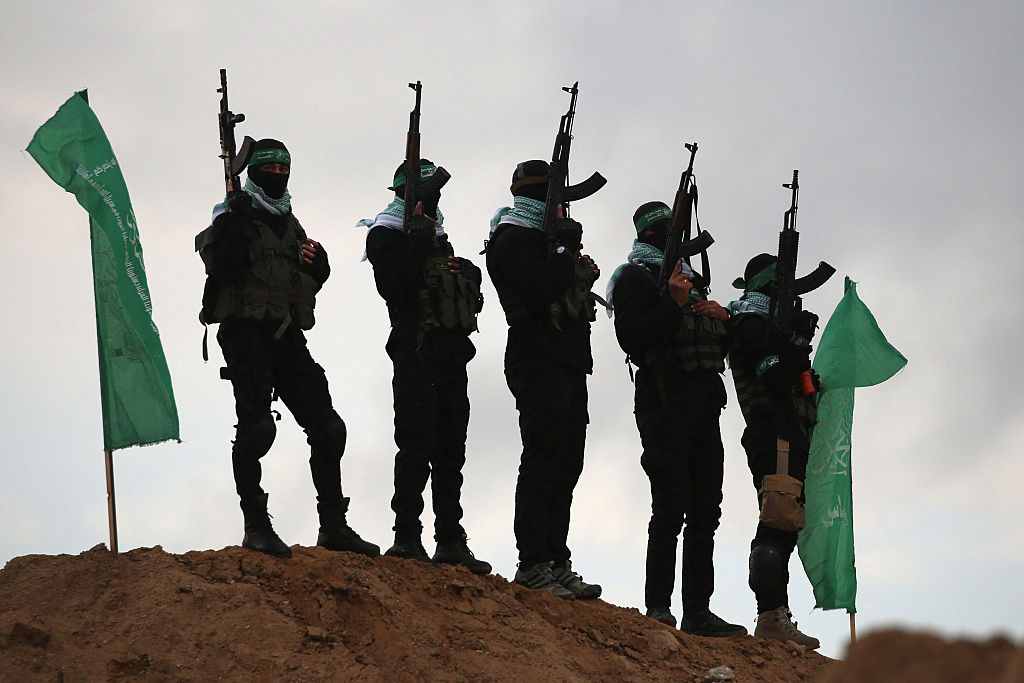
News that Palestinian militant group Hamas is ready to proceed with the disarmament specified in Donald Trump’s peace plan, and turn in their weapons, is both momentous and hard to truly believe.
To date, the most significant step of Trump’s 20-point plan was the release of the remaining Israeli hostages back in October last year. Since then, Hamas has appeared in no hurry to move to the next stages of the plan, which would ultimately involve the group disarming and disavowing violence. The group has instead focused on consolidating its hold over the roughly 40% of pre-war Gaza that it still controls.
But now, with Egypt, Qatar, and Turkey all pressuring their leadership, it looks as though it is going to move forward with this highly contentious part of the plan. Pressure has also been brought to bear on Israeli Prime Minister Benjamin Netanyahu, with reports suggesting that his acceptance of the plan was a condition for his meeting with US officials this week.
The day before Netanyahu traveled to Washington, Israel’s war cabinet reportedly approved the creation of a new technocratic administration for Gaza and the deployment of an international peacekeeping force to the Strip. Despite suggestions that Bibi reassured his Right-wing coalition partners that there are many loopholes and ways for the agreement to collapse, it is difficult to see how he could now forestall or sidestep the US president.
And yet, there are many reasons to be skeptical that Hamas is genuinely willing to disarm. Firstly, it insists that the decommissioning of weapons be conducted by a neutral, non-Israeli authority, whereas the Israelis are demanding their own oversight of the process. Israel also insists that the surrender of arms includes rifles, pistols, missiles and grenade launchers as well as the dismantling of Hamas’s remaining network of tunnels.
If Hamas is serious about changing course, it must conclude that it has a greater future as a political and religious movement — in Gaza, the West Bank and potentially abroad — than as a militant organization.
But many Palestinians — and international supporters of Palestinian resistance — will see this as selling out. If Hamas commits to peace, it could be outflanked by a more extremist group, in much the same way it superseded Fatah 20 years ago. And if it does disarm, it is hard to see how it can maintain control over the parts of Gaza it operates in given the spread of armed gangs in the territory over the past three years.
The multinational peacekeeping force the Trump plan calls for is yet to materialize: a small group of around 200 Moroccan and Ugandan soldiers has been assembled, but its remit is limited to manning the Rafah crossing and to secure the passage of aid from Egypt.
Hamas will at least hope that this announcement provides some let-up from Israeli military pressure. Currently, Israel is assassinating senior members of the group every few days, with no thought given to the ceasefire agreement or civilian casualties, and with negligible diplomatic pushback.
Given the attrition rate of Hamas leaders in Gaza and the difficulties in communicating with whatever leadership operates there, power has shifted to figures outside of the Strip, with the latest Hamas leader, Khalil al-Hayya, moving between Egypt and Qatar.
The Israelis will therefore remain highly skeptical of Hamas’s intentions. At the same time, if Hamas does ultimately disarm, it would appear to vindicate the Israeli strategy that sustained military pressure, including reducing Hamas’s territorial control to roughly 40% of pre-war Gaza, dismantling its tunnel network, degrading its remaining forces and repeatedly targeting its leadership, could eventually force the group into submission.
Until very recently, it seemed like this campaign would go on indefinitely. While today’s news brings the audacious hope of peace, the mammoth task of reconstruction, and allowing the survivors of Gaza to rebuild their lives, will be an order of magnitude more difficult.
