








June 20 2026 - 1:00pm
When he nominated Kevin Warsh to be the new chairman of the Federal Reserve earlier this year, President Donald Trump left no doubt that he wanted a central bank head who’d do things his way. In particular, he wanted his chairman to work more closely with the administration and to meet his demand for lower interest rates.
For a president who measures his success by the performance of the stock market, the appeal of cheap credit is obvious: it stimulates the economy and boosts asset values. But to economists, cutting interest rates at a time when inflationary pressures are rising and the economy is humming would unleash an inflationary spiral that could only end badly.
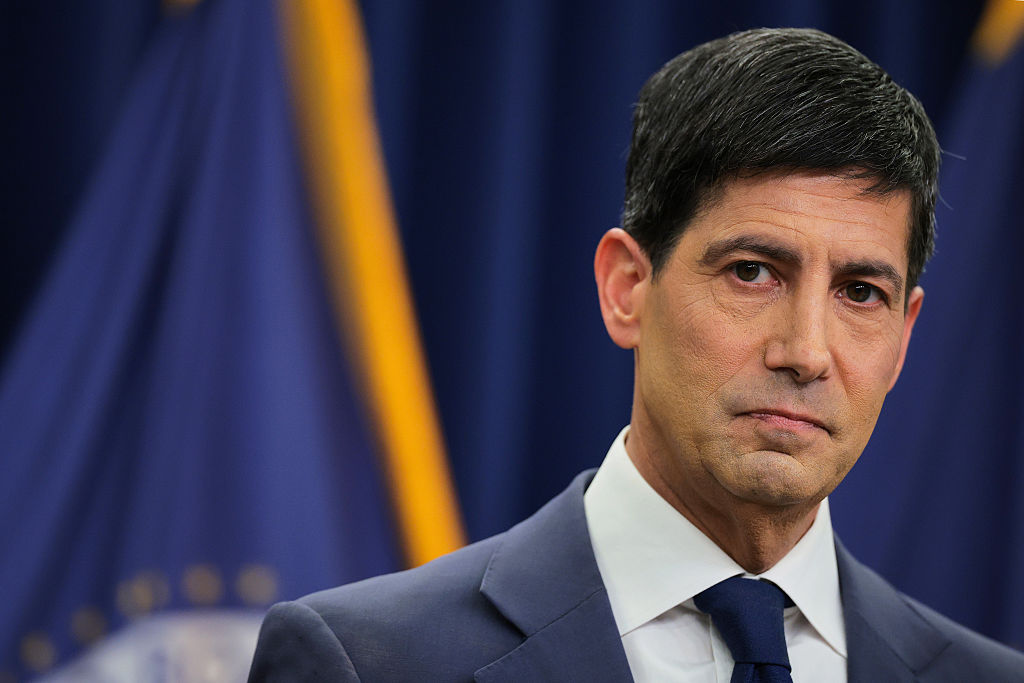
At his public debut as chairman of the Federal Reserve this week, holding the press conference after his first meeting of the rate-setting Federal Open Market Committee, Warsh conveyed that some things would in fact change during his term of office. In particular, he signaled that he’d be a less voluble chairman than his predecessor Jerome Powell. The statement put out after the meeting was less than half as long as Powell’s had typically been. Warsh made it clear he’d be taciturn with the press, and wouldn’t provide details about what informed the committee’s decision-making and the likely future course of interest rates.
Central bankers have become very communicative over the last two decades, but it wasn’t always thus. There was a time when committees would set the interest rate, inform the public of their decision, and leave it at that. The open-book approach was pioneered during a time of volatile markets and ultra-cheap credit, when central bankers wanted to prepare investors for any upcoming change in direction. Whether or not that approach did any good, it has come in for increasing criticism, and so Warsh’s innovation has been well-received.
But when it comes to the bread and butter of central banking, namely monetary policy, Warsh indicated a continuity that is unlikely to please Trump. Beyond a possible tweak to the definition of inflation and a consequent modest increase in the Fed’s target for price increases, the new chair made clear that his primary job was not to boost the markets — something which for Trump is a sine qua non.
Additionally, while he didn’t join his colleagues in indicating his expectations for interest rates on the so-called dot plot of future moves, Warsh didn’t object to the exercise and cited the plot as evidence that the Fed was leaning more towards hiking than cutting rates at future meetings. It sounded a lot like he was adopting the role of good cop, aiming for the same outcome as his colleagues yet opting for slightly different tactics. Or maybe it was just that he wanted to let Trump know that, much as he might like to do his bidding and slash rates, he has no way to overrule his colleagues.
That’s true, in that the chairman can influence other board members but can’t dictate to them. Yet it also didn’t sound like Warsh much wanted to do so, either. As Trump has tried to bend the institutions of the federal government to his will, the Fed is a holdout that has largely maintained its independence and continuity. Further change may be coming, but it doesn’t look like Trump will get the Fed he wanted anytime soon.
John Rapley is an author and academic who divides his time between London, Johannesburg and Ottawa. His books include Why Empires Fall: Rome, America and the Future of the West (with Peter Heather, Penguin, 2023) and Twilight of the Money Gods: Economics as a Religion (Simon & Schuster, 2017).
 jarapley
Join the discussion
Join like minded readers that support our journalism by becoming a paid subscriber
To join the discussion in the comments, become a paid subscriber.
Join like minded readers that support our journalism, read unlimited articles and enjoy other subscriber-only benefits.
Subscribe