








April 14 2026 - 6:00pm
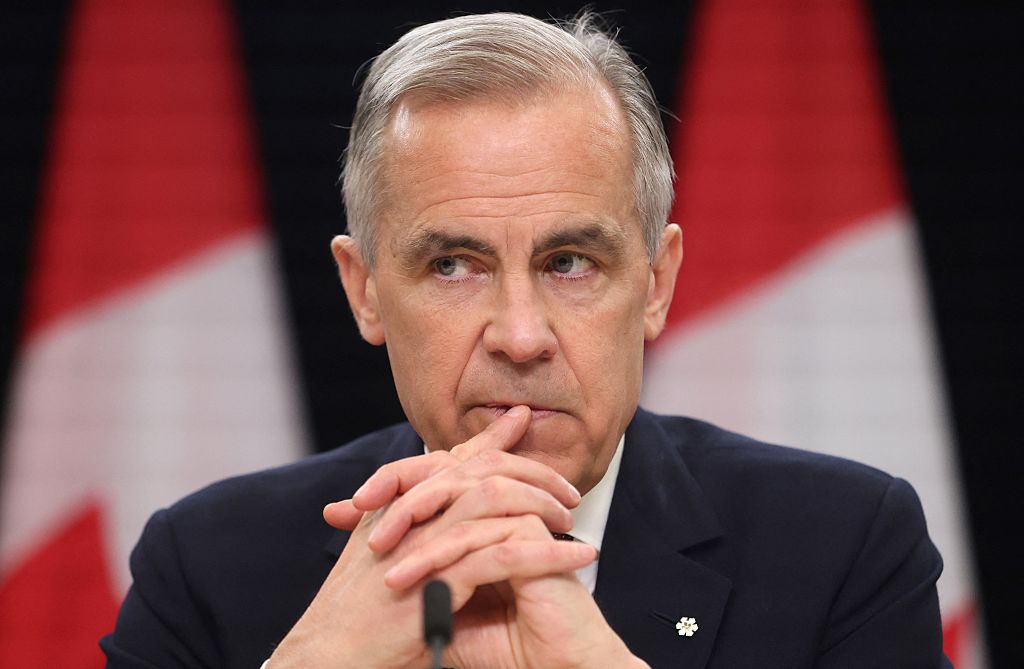
On the surface, the results of last night’s Canadian by-elections would be significant enough. The Liberals, under Prime Minister Mark Carney, achieved majority status by winning two safe downtown Toronto seats, also eking out a win against the Bloc Québécois in suburban Montreal. But the truth is that Carney won his majority even before Monday, after an extraordinary string of floor-crossings in which five opposition MPs defected to the Liberals, with more rumored on the way. It has decisively put an end to the precarious minority status which emerged from last year’s general election.
Indeed, the question of just how big Carney’s big tent can get is one with which Canadian commentators have been grappling in recent days, given the improbable political diversity of his party. Consider that the Liberal who won yesterday in Scarborough Southwest is Doly Begum, who until recently was deputy leader of the Ontario wing of the New Democrats, the Left-wing party that garnered global ridicule last week when one of its MPs criticized “the ongoing genocide of MMIWG2SLGBTQQIA+” people. And yet the latest floor-crosser who joined Liberal ranks, only last week, is Marilyn Gladu, a deeply conservative legislator who promoted pro-life, pro-conversion therapy and anti-vaccine views, and who broke bread with the 2022 Freedom Convoy.
Likewise, the Montreal seat of Terrebonne is a stronghold of Quebec nationalism. Yet it returned a Liberal MP campaigning on a platform of Canadian unity, and did so with an increased share of the vote compared with the previous election. Meanwhile, in Alberta — the Conservative heartland and site of another recent floor-crossing — the picture is becoming more competitive. Some recent polling even points to a competitive Liberal showing in areas where the provincial Tories have long been dominant.
These apparent contradictions become more legible when understood in the context of the Liberal Party’s traditional role as a brokerage party that governed with the aim of reconciling concrete interests rather than transcendental values. Whether it’s the promise of retaining seats amid sky-high Liberal polls or lucrative investments for constituents, Carney knows which strings to pull and seems to have no qualms about living up to the House of Cards comparisons.
Of course, the challenge in the next three years of majority rule will be holding the big tent together. At their best, historically, the Liberals established political dynasties on the successful execution of this balancing act. At their worst, they have been guilty of world-historical hubris based on the assumption that their support would be eternal (remember Justin Trudeau?). This means that Carney must keep up the momentum of his nation-building agenda and ensure at least some of its material results, such as infrastructure and new trade partnerships, become visible — and fairly distributed among the coalition’s members — before his mandate is up. Otherwise, he risks fracturing his newly broadened national base.
What’s at stake is not merely the Carney Liberal brand but the cohesion of Canada as a paragon of institutional continuity against the backdrop of Trumpian rupture. The lesson for other Western leaders looking to galvanize their own voters against American-led disruption may be that Canada’s unifying rally-round-the flag effect, while real enough in many respects, should nonetheless be treated as merely a prelude rather than an end state. Clearly, governments must still work to deliver the stability and security that voters crave. That is precisely what Carney will seek to do now that his government’s parliamentary life span is assured.
 1TrueCuencoism
Join the discussion
Join like minded readers that support our journalism by becoming a paid subscriber
To join the discussion in the comments, become a paid subscriber.
Join like minded readers that support our journalism, read unlimited articles and enjoy other subscriber-only benefits.
Subscribe