








March 2 2026 - 11:55am
The Baftas n-word debacle, which has reared its head again a week after the initial incident, has proved an unfortunate and embarrassing situation for all parties. Even though John Davidson, because of his Tourette’s condition, did not mean to shout the racial slur out of malice, it was still an uncomfortable moment for the actors on stage, Michael B. Jordan and Delroy Lindo. Yet much of the fallout from this controversy has been based on ignorance, tribalism and a distinct lack of empathy.
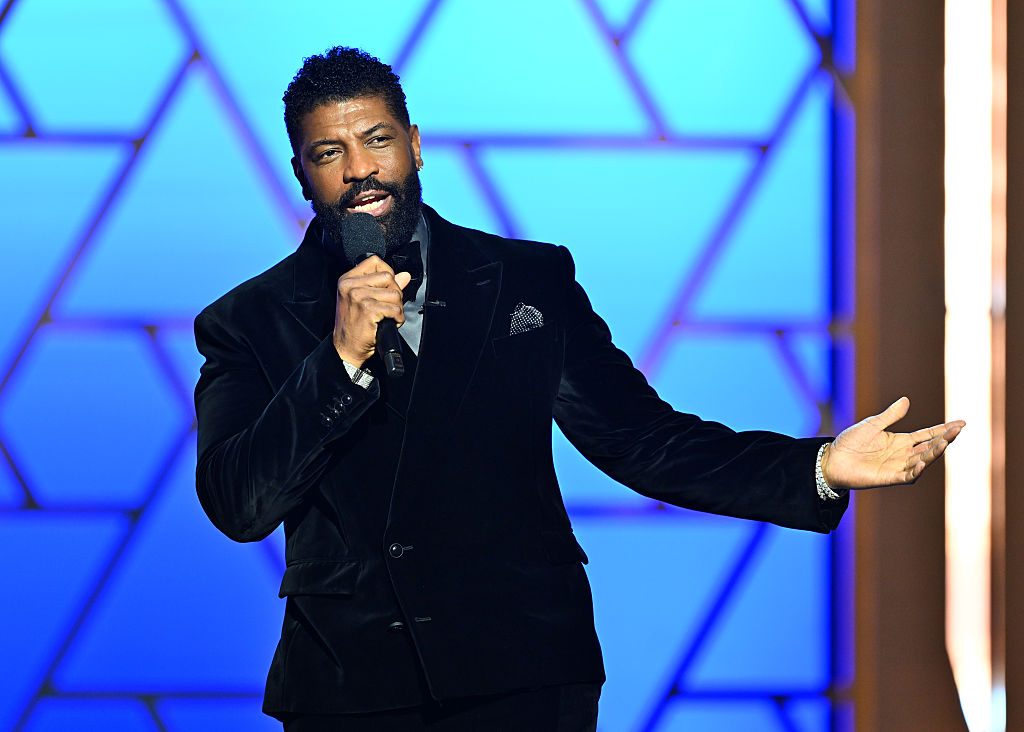
At the NAACP Image Awards on Saturday night, host Deon Cole referenced the incident by joking: “If there are any white men out here in the audience with Tourette’s, I advise you to tell them they better read the room tonight, Lord. It might not go the way they thinketh.” The same evening, a Saturday Night Live sketch imagined stars who have previously been shamed for racist language, such as Mel Gibson and Kanye West, claiming Tourette’s as an excuse for their outbursts. Beyond the superficial mirth, the subtext is clear: Cole and the SNL cast still don’t seem to understand that Davidson’s tics stem from a serious neurological disorder. Either that, or they don’t care.
For all their understandable discomfort at the Baftas, Jordan and Lindo were not “victimized” or subjected to “racial trauma”. Western culture continues to treat victimhood as a form of social currency. It is therefore no surprise that even wealthy cultural elites take on the status of the underdog for the power it confers. French sociologist Pierre Bourdieu developed the concept of “symbolic capital” to describe the prestige available to some on the basis of recognition by others, and how that translates into value in a given culture.
Jordan and Lindo are clearly part of the aristocracy within this hierarchy of victimhood. The history of black oppression carries cultural weight, as shown by the support the two men received from fellow actors Jamie Foxx and Wendell Pierce following the Baftas. This isn’t simply due to racial tribalism, but also represents solidarity between cultural elites out for their own slice of the pie of symbolic capital. Of course, none of this aids the truly marginalized.
When there are competing claims of victimhood, the debate organizes around whose vulnerability carries greater weight. Seeing the reception Jordan and Lindo received at the NAACP awards ceremony, one would think they’d survived a terrorist attack. To suggest that any sympathy directed towards Davidson is a case of prioritizing “white comfort over black pain” is little more than elite narcissism. Who, out of the Hollywood actors and the neurologically disabled Scottish man, has faced greater social ostracization throughout their life?
For all the talk of “inclusivity” within the showbiz industry, it’s far easier to demand empathy from others than to demonstrate it yourself. To ask for understanding of the “black experience” should not override consideration for those with Tourette’s. Empathy inevitably requires putting oneself in uncomfortable positions, in order to become more enlightened. It involves the realization that there’s more to the world than your narrow communal “experience”. The degeneration of the Davidson Baftas incident into pile-ons, public ridicule, and squabbling over victimhood shows how myopic and parochial identity politics still is. A controversy which should have been dealt with easily through mutual understanding has been transformed into another toxic culture-war minefield.
Ralph Leonard is a British-Nigerian writer on international politics, religion, culture and humanism.
 buffsoldier_96
Join the discussion
Join like minded readers that support our journalism by becoming a paid subscriber
To join the discussion in the comments, become a paid subscriber.
Join like minded readers that support our journalism, read unlimited articles and enjoy other subscriber-only benefits.
Subscribe