








March 12 2026 - 1:00pm
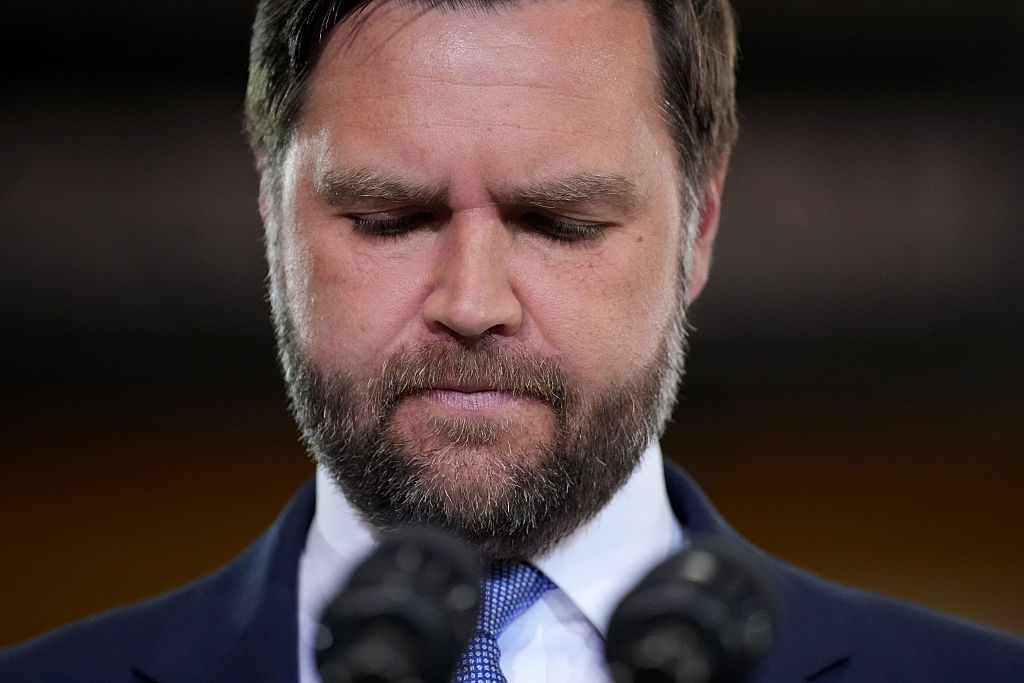
JD Vance, normally one of the most prolific X users in the MAGA orbit, continues to keep a silence that speaks volumes. Ever since Donald Trump and Benjamin Netanyahu launched their joint invasion of Iran, the US Vice President has made himself notably scarce, barely posting online or making any media appearances, save for a brief Fox News hit more than a week ago.
The reason should be obvious: Vance and his advisors assess that the war represents a betrayal of 2024’s “pro-peace ticket” pledge and will only grow more unpopular as it drags on. Yet while the war casts a long shadow over Vance’s path to the White House in 2028, his political future is far from over. That’s because his future doesn’t stop in 2028.
Consider the war’s unpopularity. GOP hawks and their media allies don’t tire of pointing out that the war is overwhelmingly popular among MAGA Republicans. This week, the Senate Republican caucus drew attention for a post that touted “94% support” for the war in a huge font, while noting the caveat — “of MAGA Republicans” — in tiny print.
The problem, as Vance is no doubt aware, is that “MAGA Republicans” represent only a slice of the full electorate. For congressional Republicans in this year’s midterms and — even more so — the presidential nominee in 2028, what matters is the broader Trump coalition.
That coalition, at least in 2024, also brought in many Independents, of whom between a quarter and a third approve of the Iran war (in the same polls which typically find overwhelming support among self-identified MAGA Republicans). The coalition also included nearly half of Hispanic men, a fifth of African-American men, and Democratic-leaning workers and lower middle class who twice voted for Barack Obama before shifting their allegiance to Trump in 2016.
For many of these voters, what made Trump attractive over the past decade was precisely his professed opposition to forever wars, especially those waged in the Middle East — a tiresome region that America was supposed to have left behind in pursuit of domestic renewal. Trump won them over by describing the Iraq War as a “disaster” in 2016, and by railing against “trillions” wasted in the post-9/11 regime-change wars — funds which could’ve been spent on hospitals and roads in the homeland.
Vance, especially, presented himself as a champion of such restraint, while backing the nominations of staffers identified with the same worldview. The administration’s jarring switcheroo is indeed politically harmful to him in the short and perhaps the medium term.
But not necessarily in the long term. The premise behind a great deal of “Vance is doomed” speculation is that he will vie for the 2028 nomination as Trump’s sort-of-anointed heir. Polls still suggest he could secure the nomination if he chose to seek it, despite Secretary of State Marco Rubio’s recent rise as a competent adult in the room in an administration starved for them.
Still, there’s no law dictating that Vance has to run in 2028. He may allow some other figure to jump at the Democratic buzzsaw that is likely to be the next presidential election. Six years from now, depending on the shape of the country, Vance could re-emerge as an impressive contender — and, crucially, one with enough distance from the second Trump administration’s failings (thus avoiding Kamala Harris’s problems with regard to Joe Biden). The VP’s silence, then, makes perfectly good sense. For now.
Sohrab Ahmari is the US editor of UnHerd and the author, most recently, of Tyranny, Inc: How Private Power Crushed American Liberty — and What To Do About It
 SohrabAhmari
Join the discussion
Join like minded readers that support our journalism by becoming a paid subscriber
To join the discussion in the comments, become a paid subscriber.
Join like minded readers that support our journalism, read unlimited articles and enjoy other subscriber-only benefits.
Subscribe