








February 17 2026 - 7:00am
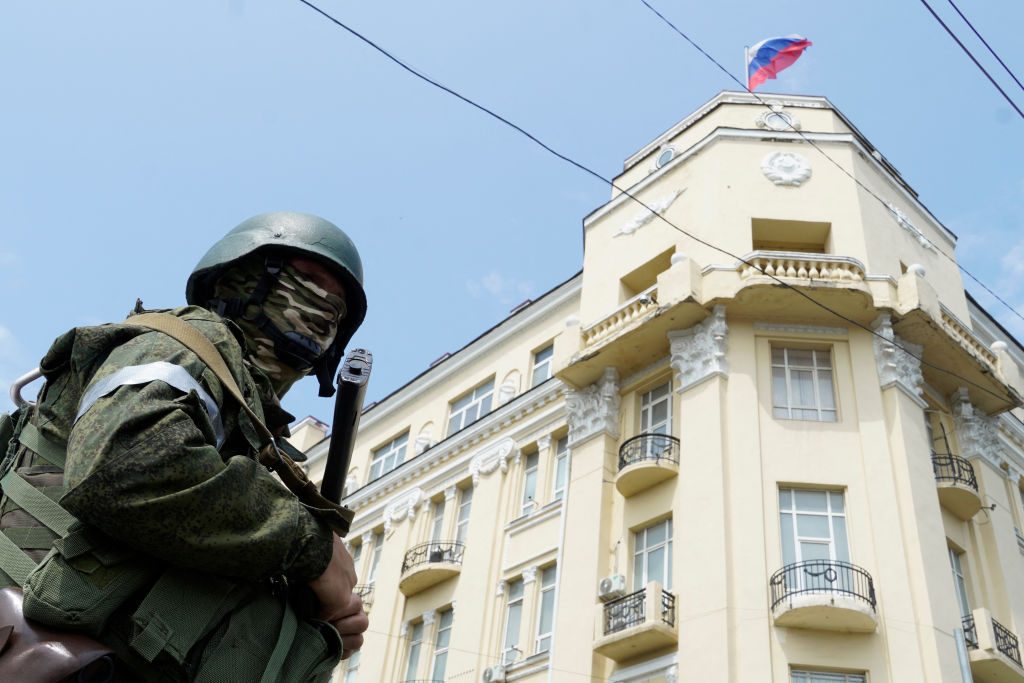
The Wagner Group is back, and this time it’s coming for Europe. Western intelligence officials have told the Financial Times that recruiters for the Russian militia group are now orchestrating subversive operations across the continent. Operatives are using social media and Telegram to target “disposable” and “economically vulnerable Europeans”, persuading them to act as proxies in carrying out sabotage and fomenting disorder.
Beyond the immediate disruption, Moscow enjoys a propaganda dividend, with each disruptive incident feeding its narrative of democratic systems being chaotic and ineffectual. There is symbolic value in Russia persuading Britons to betray their own country — proof, for the Kremlin, that fragile, divided Western societies can easily be turned against themselves. Above all, such operations strive to erode support for Ukraine by raising the political and economic costs of sustaining it.
Countering such campaigns can feel like battling a hydra. For every proxy exposed, another emerges. Recruits are often maladroit loners, enticed by money or the warped prestige of being told that, whatever their marginal status at home, the Kremlin recognizes their “potential”. Even when their tradecraft is amateurish and they are swiftly apprehended, Russia reaps a reward. Each arrest generates headlines, amplifies anxiety and maintains the atmosphere of paranoia on which destabilization thrives.
Claims of Kremlin sabotage can outpace evidence, with politicians eagerly placing Moscow’s fingerprints at the scene of every mishap. The difficulty of attribution means railway delays, infrastructure failures or awkward news stories can be blamed too readily on Russian interference rather than underfunding or ineptitude closer to home. Consider how a Sunday Times report into the funding of the Labour Together think tank was linked to a suspected Kremlin hack of the Electoral Commission, then used as the basis for a smear campaign against the journalists who had published the politically inconvenient materials.
Yet instances of actual sabotage are set to climb. If there is one thing at which the European Union excels, it is congratulating itself about being the European Union. It thus remains wedded to the narrative that, however serious the hardships Ukraine has endured in this war, the EU will ultimately grant Kyiv the compensation of a seat in Brussels. So keen is the EU to provide “support” that it is even willing to offer Kyiv partial membership from next year. For Ukrainian President Volodymyr Zelensky, the proposition is attractive: with Nato accession off the table, EU membership constitutes a prize to present to his war-weary public as part of a peace deal.
But he is not alone in championing the idea, which should give Kyiv pause. In spite of Zelensky’s assertion that Moscow will seek to obstruct Ukraine’s path to EU membership, the Kremlin has repeatedly signaled that it would not object to Kyiv joining the bloc. Russia is not in the habit of doing Zelensky favors, so why does it appear nonchalant about Ukraine’s European aspirations? Perhaps the EU’s freedom of movement for people and goods will make it easier to dispatch pro-Moscow Ukrainian saboteurs and equipment throughout the continent.
Nor would they be the only vectors of discord. Ukrainian MEPs would represent myriad opportunities for Kremlin influence, whether by assisting candidates with concealed pro-Moscow sympathies or by corrupting others in exchange for information. The result could be to slow down Brussels’s cumbersome political machinery further or to advance Russia’s political objectives from within. While the EU has considered incremental benefits to Ukraine, this has sparked controversy among member states.
Exacerbating Ukraine’s post-war demographic crisis, EU accession will encourage young men to flood into the rest of the continent for better economic opportunities — and out of fear of conscription should hostilities with Russia reignite. Additionally, given Russia’s campaigns of weaponized migration against Finland, Poland and the Baltics, Moscow is likely to funnel third-country migrants into the EU across its border with Ukraine in a bid to inflame social tensions and divert resources away from defense spending.
The skill required to build a mercenary army is the same, whether recruiting Russians to fight Ukraine or Europeans to strike their own continent. Yet, as the EU opens its doors to Ukraine, it is likely not only welcoming Ukrainians but Kremlin-aligned saboteurs as well. Then Wagner will not only be coming for Europe, but also coming to Europe. It will no longer be striking from afar, but attacking from within.

Join the discussion
Join like minded readers that support our journalism by becoming a paid subscriber
To join the discussion in the comments, become a paid subscriber.
Join like minded readers that support our journalism, read unlimited articles and enjoy other subscriber-only benefits.
Subscribe