








January 14 2026 - 11:50am
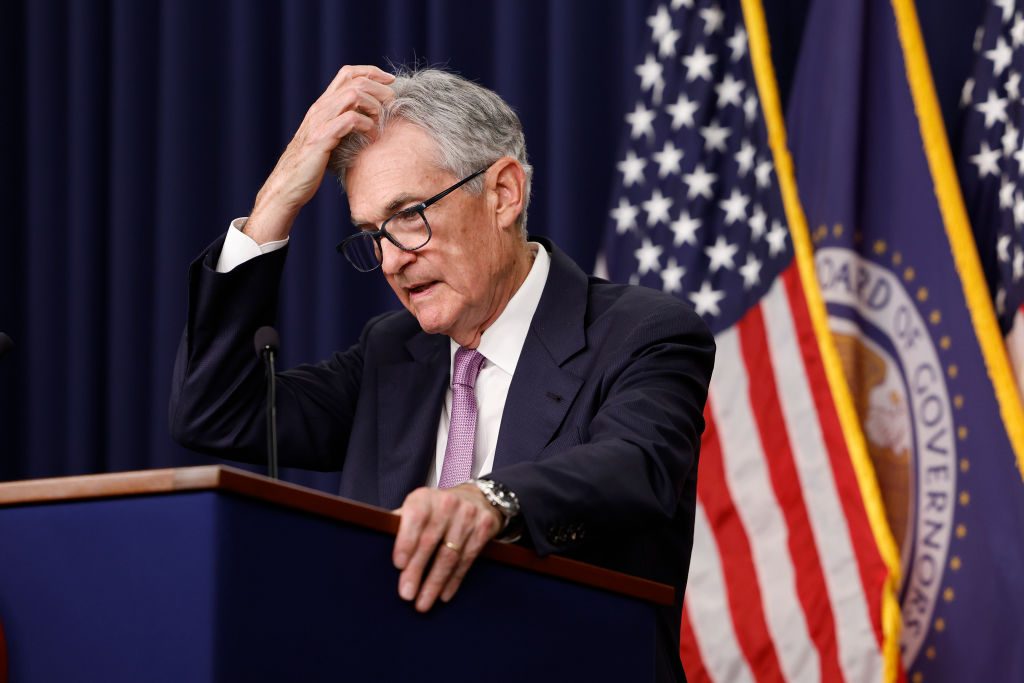
Lost in the debate about the feud between President Donald Trump and the Federal Reserve is a fundamental question: do independent central bankers who set national interest rates have too much power? Of course, it’s hard to excuse the White House’s clumsy assaults on Fed independence. First there was Trump’s attempt last year to fire Lisa Cook, a Federal Reserve governor, based on unproven allegations of mortgage fraud. Now, the Department of Justice has launched a criminal investigation of Fed Chair Jerome Powell on dubious charges involving the renovation of Federal Reserve buildings.
But you can oppose giving American presidents the power to help themselves or their parties by goosing the economy right before elections, and at the same time you can recognize the very real dangers of giving central bankers unchecked control over national monetary policy. Insulating the Federal Reserve and other national central bankers completely from democratic oversight and accountability has proven to be bad policy as well as bad politics.
Paul Volcker, Fed Chair from 1979 to 1987, and his successor Alan Greenspan are lionized today by Wall Street as wise technocrats who saved the US economy from the passions of the mob and their elected leaders. In reality, few if any Americans, including presidents from both parties, did more to undermine the country’s industrial strength — and the military power which depends upon it — than Volcker and Greenspan.
To combat high inflation, Volcker chose the most painful option, radically raising interest rates in order to deliberately create the worst economic downturn in the US between the Great Depression of the Thirties and the Great Recession this century. In 1981, mortgage interest rates peaked at 16.63%.
The Volcker shock succeeded in destroying inflation, but only by causing mass unemployment to undermine the bargaining power of unionized workers and inflicting austerity on Americans in general. Greenspan was just as hostile to workers. To prevent wage-push inflation by suppressing wages, he favored more legal immigration and argued that the wage-lowering effects of illegal immigration “significantly outweighed the costs”. Greenspan’s aggressive rate-cutting contributed to a series of asset price bubbles in stocks and housing, which led to the 2008 crash.
For his part, in 2024 Powell suggested that high levels of immigration under Joe Biden had led to rising unemployment and thereby interest rate cuts. Higher unemployment means workers are desperate and can’t cause wage-push inflation by demanding higher wages, as they can in a tight labor market. In the perverse logic of inflation-phobic central bankers, it’s bad for the economy when workers receive raises and good when millions are unemployed.
As a matter of institutional design, it makes no sense for central bankers to slam on the brakes even as elected officials step on the gas pedal, or vice versa. Politicizing monetary policy is bad, but it is worse if monetary policy undercuts fiscal policy instead of being aligned with it.
Merely replacing individual Fed chairs or governors will not solve the underlying problem: that most of these unelected technocrats, like the economic elite of investors, financiers, and employers to which they belong, share the same values, preferring to break organized labor, increase unemployment, and suppress wages with immigration in order to tackle inflation. Given the disastrous track record of America’s independent central bank in the last half-century, greater democratic accountability over national monetary policy is long overdue.
Join the discussion
Join like minded readers that support our journalism by becoming a paid subscriber
To join the discussion in the comments, become a paid subscriber.
Join like minded readers that support our journalism, read unlimited articles and enjoy other subscriber-only benefits.
Subscribe