








January 21 2026 - 7:00am
Former UK Government counter-extremism adviser Sara Khan has claimed that far-Right activism is a greater threat to social cohesion than Islamism.
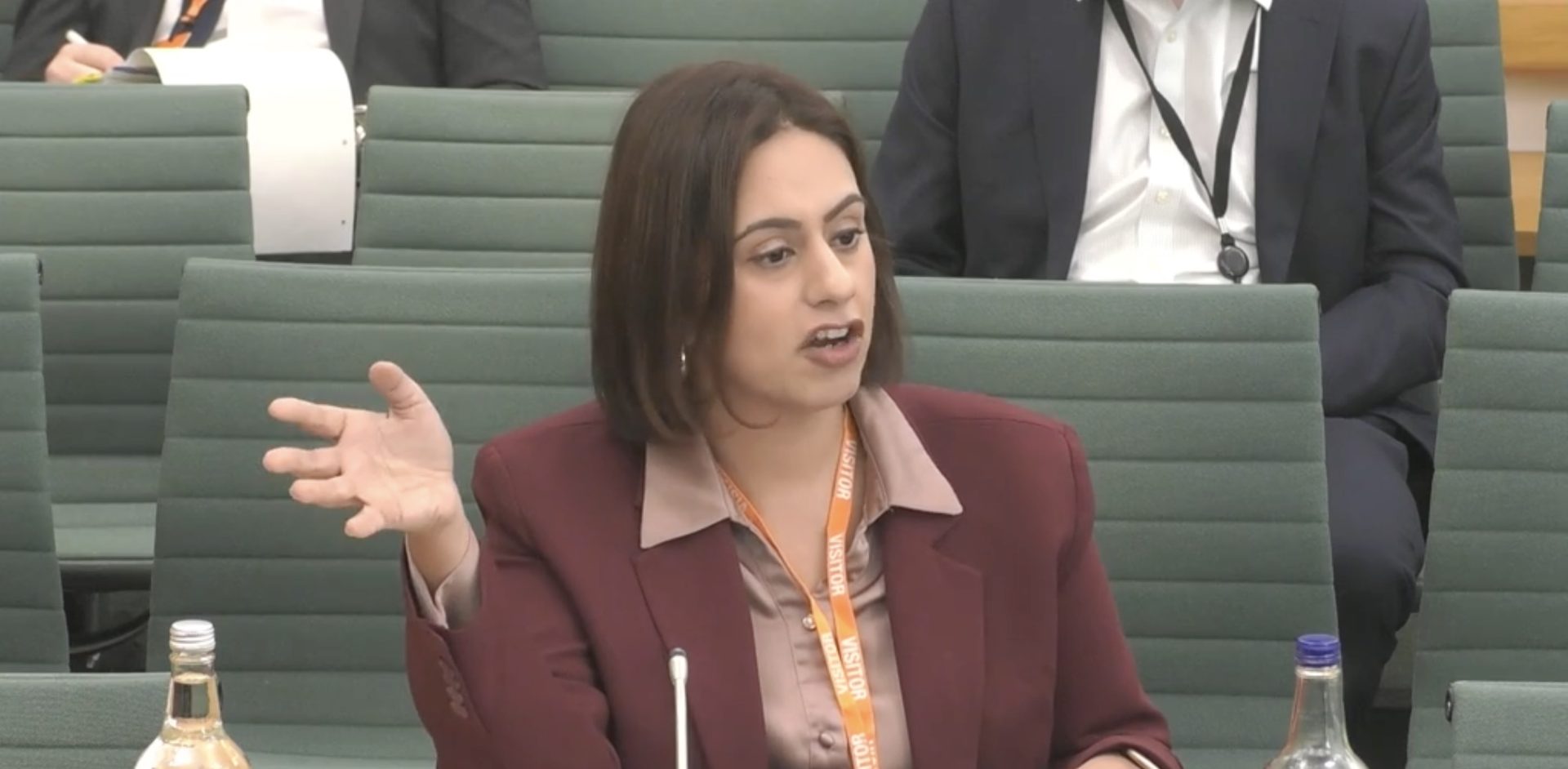
Giving evidence to the Home Affairs Committee yesterday afternoon, Khan said that “I’d put all my money on saying that I suspect the far-Right is the greater hateful extremist threat at the moment,” when compared to Islamist radicalization. She stated that “making the distinction between the terrorist threat and the extremist threat is important” as, when it comes to carrying out terrorist attacks, “the Islamist threat is far greater.”
Addressing MPs, Khan pointed to “a mainstreaming of extremist narratives”, citing “the calls for remigration” and “calls for ethnic-minority British citizens to be deported”. She added: “that used to be a clarion call of the extreme Right wing and it was very much confined to the fringes of the extreme Right wing. I think that has been mainstreamed […] in a way I’ve not seen previously.”
Yesterday, referring to the riots that spread across the UK in the summer of 2024 following the fatal stabbings in Southport, Khan said that “far-Right extremist groups” such as Britain First and Patriotic Alternative were “fueling the fire” and “spreading disinformation and conspiracy theories and extremist narratives”. She also highlighted the involvement of “foreign actors spreading that disinformation” during the disorder, and admitted that “we’re so much in the dark about where the extremism hotspots across the country [are]”.
Calling for “completely new, radical way of looking at this issue”, Khan blamed Government bodies and the Civil Service for failing to implement a successful counter-extremism strategy. “In Whitehall we have a very outdated way of looking at cohesion, democratic resilience, [and] extremism, she said, “and it’s just not fit for purpose.” Khan reserved particular criticism for the “outdated” Government anti-extremism program Prevent, saying: “we have to break this assumption that Prevent is dealing with extremism. It is not.” She added that “Prevent on its own is just not enough” without cross-departmental collaboration and a clear distinction between terrorism and extremism.
Khan was previously an outspoken supporter of the Prevent program. This provoked criticism among sections of the British Muslim community of her 2018 appointment to helm the new Commission for Countering Extremism, given that Prevent had been accused of “demonizing”. She went on to author the 2024 Khan Review, which looked at threats to social cohesion in Britain. The 2023 Independent Review of Prevent, which was led by William Shawcross, found that the program devoted insufficient resources to tackling Islamist extremism, instead prioritizing far-Right threats.

Join the discussion
Join like minded readers that support our journalism by becoming a paid subscriber
To join the discussion in the comments, become a paid subscriber.
Join like minded readers that support our journalism, read unlimited articles and enjoy other subscriber-only benefits.
Subscribe