








January 14 2026 - 7:00am
Adelaide Writers’ Week has been cancelled following the withdrawal of more than 180 authors, with the director and almost the entire board resigning. The move came after the festival disinvited Palestinian-Australian academic Randa Abdel-Fattah, stating that it would not be “culturally sensitive” to keep her on the programme in the wake of the Bondi Beach massacre last month, where Islamic State-affiliated terrorists killed 15 people during the Jewish holiday of Chanukah.
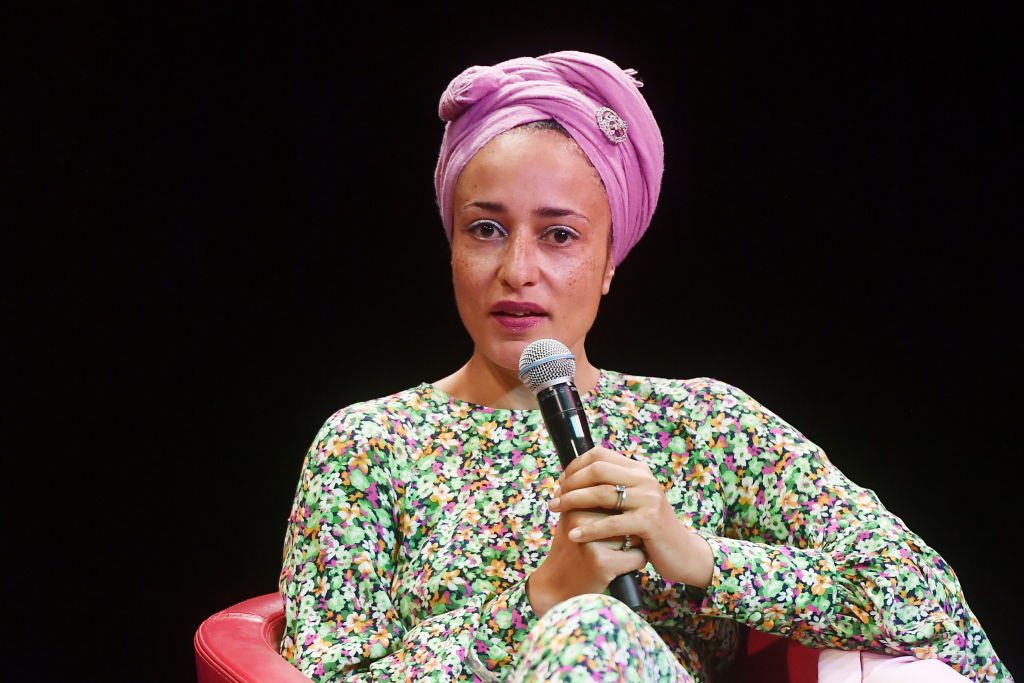
High-profile withdrawals ensued, including authors Zadie Smith and Percival Everett, and UnHerd writer Yanis Varoufakis. Former New Zealand Prime Minister Jacinda Ardern, hardly known for her free speech advocacy, also cancelled her appearance.
This festival is one of the oldest and largest in Australia, and its collapse suggests a growing divide in the country’s cultural and political landscape. How did this masterclass in mismanaging a controversy emerge?
The festival highlighted Abdel-Fattah’s “past statements” among the reasons for her cancellation. While organisers offered no specifics, these have included posting an image of a Hamas parachutist on 8 October 2023, claiming Zionists have “no claim or right to cultural safety”, and advocating that every space they enter be “culturally unsafe for them”. She also tweeted: “May 2025 be the end of Israel.” The cultural mood in Australia has changed dramatically since last month’s terror attack, and Abdel-Fattah’s cancellation was a disastrous attempt by the festival board to read it. While it may have resonated with the Australian public, the literati are a different matter.
But as progressives rediscover free speech, it should be noted that Abdel-Fattah is herself no free speech warrior, and has been active in trying to get other writers removed from multiple festivals. In 2024, she and nine others signed a letter advocating for the New York Times’ Thomas Friedman to be removed from the line-up of the very same Adelaide Writers’ Week. Friedman did not appear, but reportedly withdrew for other reasons. Additionally, Abdel-Fattah was among 500 progressives who backed a campaign to have pro-Israel singer Deborah Conway removed from the Perth Festival’s 2024 Literature and Ideas programme.
Having been invited, Abdel-Fattah should not have been disinvited; instead, she should have been asked to explain her views. Yet cancellation has made her a martyr, one now likely to help her sell many more books and be invited to many more events. In that sense, it is hopefully a great victory against cancel culture and a mirror to hold up to progressives next time they target others. Panicked board members, politicians and lobby groups, desperate to be seen to be doing something about antisemitism, have taken action which has backfired.
The cheering on of festival director Louise Adler’s resignation letter was a masterpiece in progressive hypocrisy. In it, she stated that the arts have become “unsafe” and that artists are now viewed as a “danger to the community’s psycho-social wellbeing”. But let’s be clear: the routine invocation of “safety” is code for “I don’t want to hear your opinion.” Appeals to “psycho-social wellbeing” involve exactly the language progressives have used for the last decade to justify deplatforming speakers with whom they disagree. Indeed, the letter Abdel-Fattah signed against Deborah Conway stated that the festival shouldn’t “platform beliefs that harm the community” and that doing so “risks the safety of the Festival”.
Of course, this is exactly the situation many had been warning about: that, one day, cancel culture would turn on progressives. The never-ending game of cancellation and retribution ends when all sides acknowledge past mistakes and set new social norms for managing disagreement.
The festival collapse comes in advance of new hardline federal hate speech legislation which largely has the backing of both major political parties. Even One Nation, the avowedly pro-free speech populist-Right party, has called for burning the flag to be added to the legislation. What results from this is a deeply frayed democratic fabric, with few people maintaining any consistency on issues of free expression. The saga of Adelaide Writers’ Week demonstrates that many across the political spectrum are still bitterly ensconced in seeing their ideological enemies fall. What’s more, it shows that building a new culture of open and respectful discourse is more urgent than ever, though likely light-years away.
Join the discussion
Join like minded readers that support our journalism by becoming a paid subscriber
To join the discussion in the comments, become a paid subscriber.
Join like minded readers that support our journalism, read unlimited articles and enjoy other subscriber-only benefits.
Subscribe