








December 24 2025 - 9:30am
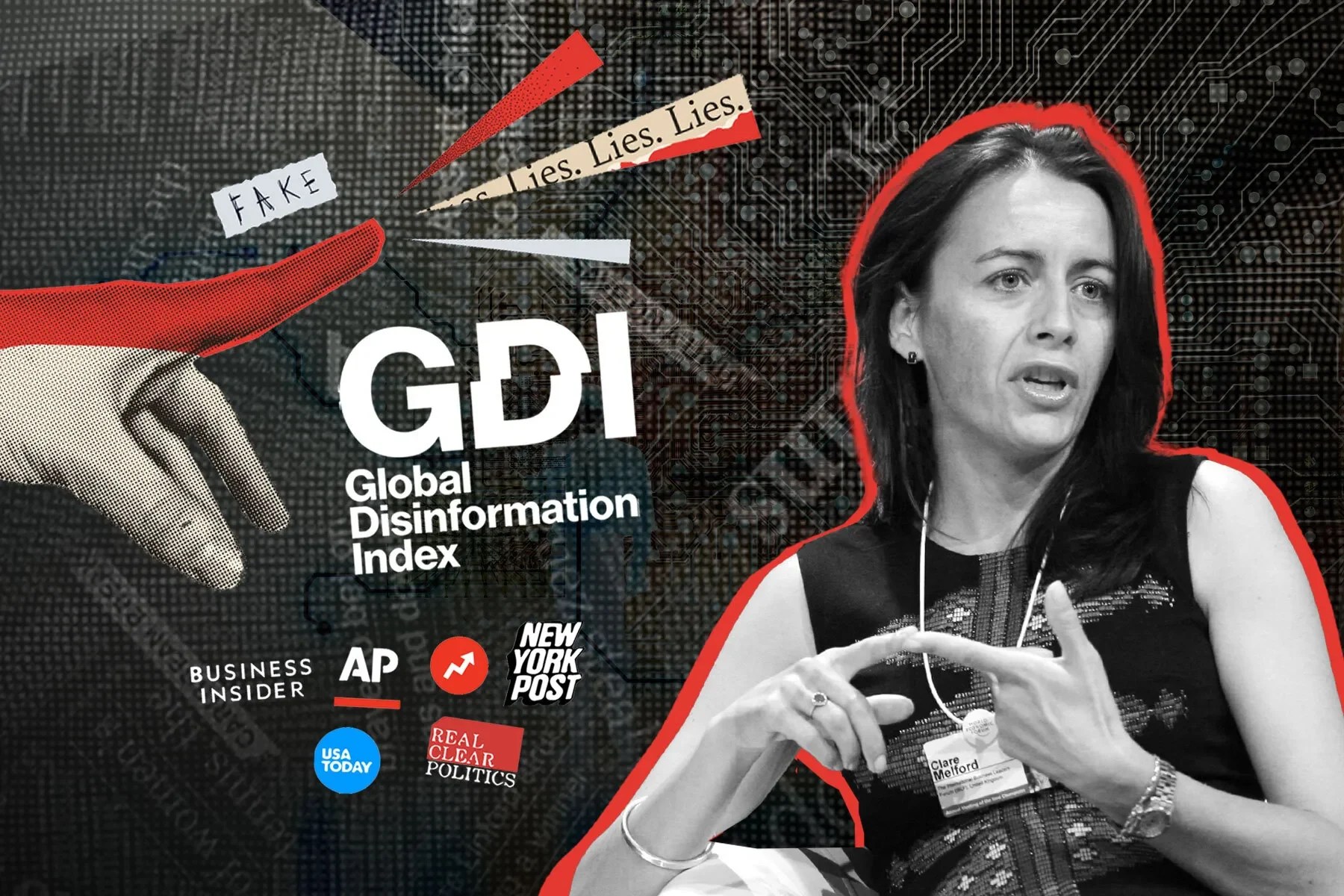
The United States has denied a visa to Clare Melford, the head of the UK-based Global Disinformation Index (GDI).
The move forms part of a wider push by Washington against what it describes as a “global censorship-industrial complex” which is pressuring US companies to suppress lawful speech. The US State Department said it would impose visa restrictions on five individuals, including former EU commissioner Thierry Breton, whom it accused of seeking to “coerce” American social media platforms and advertisers into censoring views they oppose. Those targeted will be generally barred from entering the United States.
Melford, a co-founder and chief executive of the GDI, was explicitly named. The organization operates as a ratings agency within the online advertising ecosystem, scoring news outlets on their perceived risk of spreading “disinformation” and encouraging advertisers to avoid those given poor ratings.
US Under Secretary of State Sarah B. Rogers accused the GDI of using American taxpayer money “to exhort censorship and blacklisting of American speech and press”. Secretary of State Marco Rubio said the visa bans were intended to target “agents of the global censorship-industrial complex” engaged in extraterritorial overreach against US sovereignty.
The move comes amid mounting controversy over the GDI’s activities, particularly its treatment of media outlets including UnHerd. In January 2024, the GDI confirmed in an email that it had placed UnHerd on a so-called “dynamic exclusion list”, citing articles by writers including Kathleen Stock, Julie Bindel and Debbie Hayton as examples of problematic content. The organization equated “gender-critical” views with disinformation, despite such beliefs being protected under UK law.
The GDI’s rating resulted in UnHerd receiving just 2% to 6% of the advertising revenue normally expected for an outlet of its size. By contrast, a rival ratings agency, NewsGuard, gave UnHerd a trust score of 92.5%, higher than that of the New York Times.
Founded in 2018, the GDI says its mission is to disrupt the business model of online disinformation by starving offending sites of advertising revenue. It has received funding from the UK Government, the European Union, the German Foreign Office and bodies linked to the US State Department. Critics argue that its influence as an “invisible gatekeeper” in digital advertising gives it disproportionate power over the media landscape.
Melford has publicly argued for an expansive definition of disinformation, extending beyond falsehoods to content she considers “harmful” or “divisive”, even if factually accurate. In a 2021 lecture, she said this broader approach was more “useful” than traditional fact-checking.
A GDI spokesperson condemned the US decision, calling the visa sanctions “an authoritarian attack on free speech and an egregious act of government censorship”. The statement accused the Trump administration of using federal power to “intimidate, censor, and silence voices they disagree with”.
Others targeted by the visa bans include Imran Ahmed of the Center for Countering Digital Hate and senior figures from the German group HateAid. Breton dismissed the action as a “witch hunt”, writing online: “Censorship isn’t where you think it is.”

Join the discussion
Join like minded readers that support our journalism by becoming a paid subscriber
To join the discussion in the comments, become a paid subscriber.
Join like minded readers that support our journalism, read unlimited articles and enjoy other subscriber-only benefits.
Subscribe