








December 30 2025 - 3:00pm
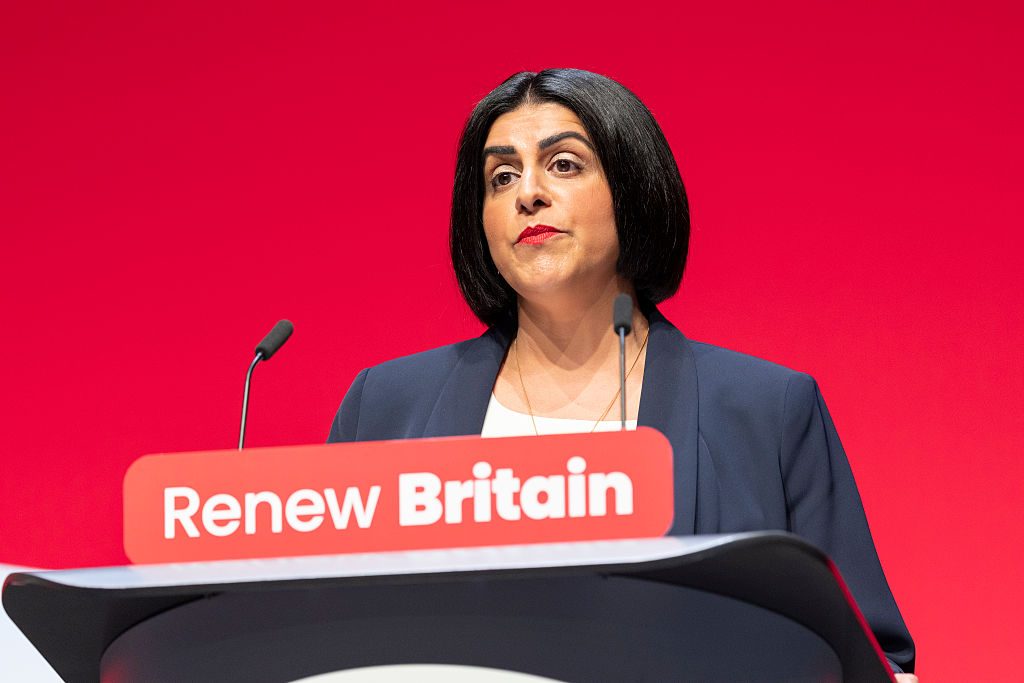
One begins to suspect that if Shabana Mahmood had complete free rein as Home Secretary, she might actually have had a shot at restoring the Labour Party’s reputation on immigration. She doesn’t, so she won’t. But still, she might have.
Consider her latest initiative. One of the biggest hurdles facing the Home Office when it comes to policing migration is the sheer difficulty of deporting people. So, Mahmood has taken the obvious, logical step: if a country is going to make it difficult to deport its citizens, then the United Kingdom will make it more difficult for their citizens to get visas in the first place.
At present, this initiative is narrowly targeted, with only three African nations subject to the new regime. But it has already managed a good success rate, with both Angola and Namibia now cooperating with migrant returns; the third, the Democratic Republic of Congo, has seen tough new visa measures imposed instead.
Two questions remain. The first is whether or not the Government is prepared to take the same tough tone with larger countries, with which Britain has more significant diplomatic and commercial interests. For example, Home Office civil servants have repeatedly told me in the past about how intransigent India is when it comes to processing deportees; New Delhi is also extremely preoccupied with securing visa rights for its citizens. On paper, that makes it a good target for Mahmood’s new approach, but is she prepared to get tough? If not, then this program — for all its obvious promise — will remain a mere gimmick.
The UK would do well to look at Australia, which has for some time operated a very similar program under which citizens of so-called “countries of concern” face extremely strict visa restrictions. Last year, the Labor government in Canberra proposed a comprehensive blacklist for several countries, including Russia and Iran.
Britain isn’t shy about taking inspiration from Australia on immigration policy, from offshore processing — which Canberra carries out on the tiny island nation of Nauru — to the famous points-based visa system. Yet, ministers have repeatedly made the mistake of adopting a policy which sounds superficially like an effective Australian initiative, only for it to lack the teeth of the original. The most famous case of this came when Boris Johnson adopted the “points-based system” but then handed out the points so liberally that it produced the “Boriswave”.
That leads, however, to the other question: given the obvious logic of this visa policy, and Britain’s longstanding habit of borrowing Australian policy ideas, why has it taken this long for the Government to adopt, even to a very limited extent, the “countries of concern” approach? In another world, that would be the sort of question which Kemi Badenoch’s promised interrogation into why the Conservatives “talked Right, but governed Left” in office might have answered. That interrogation, of course, never took place. But if Mahmood does expand this new scheme to the worst-offending countries, the Tories are going to need an explanation for why they didn’t do it first.

Join the discussion
Join like minded readers that support our journalism by becoming a paid subscriber
To join the discussion in the comments, become a paid subscriber.
Join like minded readers that support our journalism, read unlimited articles and enjoy other subscriber-only benefits.
Subscribe