








December 1 2025 - 10:00am
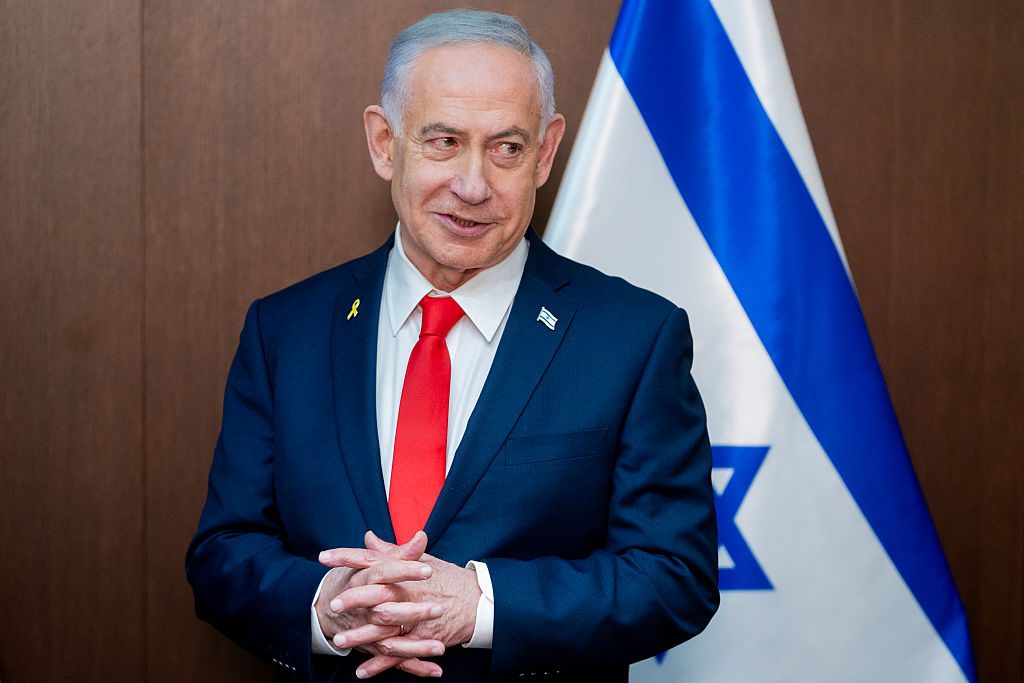
Benjamin Netanyahu’s bombshell request to Israeli President Isaac Herzog for a pardon took the form of a plea for national unity. The letter, submitted yesterday, asked Herzog to use his clemency powers “in the interest of the nation” so the premier can devote himself fully to governing.
But the request reads less like contrition than a political maneuver. Netanyahu has not admitted guilt in the three corruption cases at the center of his five-year trial: allegations of bribery, fraud and breach of trust involving media deals and regulatory favors in return for positive coverage. His pardon request offers no mea culpa.
That omission matters. Netanyahu claims he is forgoing his right “to fight until proven innocent” to lead the nation through a time of crisis. Yet pardons are exceptional and usually follow conviction; granting one without an admission of guilt would be unprecedented and corrosive to the rule of law. Herzog says he will consider the request responsibly, with the justice ministry advising, though he can overrule its recommendation.
Although Netanyahu claims to pursue a pardon in the name of “unity”, much of his political career has been devoted to polarizing Israeli society and manufacturing grievance. He is right that his trial has divided the country — but only because he is the author of that division. Since his return to office in 2022, Israel has witnessed the largest protest movement in its history, with weekly demonstrations against what the public perceives as self-serving reforms, including a judicial overhaul. Those reforms were widely seen as an attempt to weaken the courts in ways that could delay or delegitimize Bibi’s own corruption trials.
Netanyahu’s determination to keep his fragile coalition alive at any cost meant granting ever greater concessions to extremist and ultra-Orthodox partners against the wishes of most Israelis, causing further discontent. His allies then weaponized the protest movement, branding demonstrators “anarchists”, “traitors” or foreign agents. The results were deep social fractures, sustained by what critics in the Israeli press call his “poison machine” — a political ecosystem that thrives on division.
Opposition leader Yair Lapid and former PM Naftali Bennett signaled support for a pardon on the condition that Netanyahu permanently leaves politics. Lapid went further, demanding an admission of guilt and a show of remorse. These are unlikely to happen. A poll this month found that nearly half of Israelis oppose an unconditional pardon; 32% said they would support a plea which includes an admission of guilt and withdrawal from political life. Meanwhile, only 9% support a deal that would allow Netanyahu to continue as PM.
What might Herzog do? He can refuse, demand conditions, or accept. Each of these options comes with a political cost. A refusal upholds the principle that no one is above the law. Acceptance without accountability would grant Netanyahu a clean escape, potentially encouraging a political system of corruption where leaders act with impunity, and could even be struck down by the Supreme Court.
Whatever Herzog decides, the pardon request exposes an uncomfortable truth: this is not a selfless act to “heal the nation”, but a political gambit by a leader who spent years dividing the country and now seeks to evade responsibility without offering anything in return.
Dr Limor Simhony Philpott is a writer and researcher focusing on antisemitism, extremism and defence.
 limorsimhony
Join the discussion
Join like minded readers that support our journalism by becoming a paid subscriber
To join the discussion in the comments, become a paid subscriber.
Join like minded readers that support our journalism, read unlimited articles and enjoy other subscriber-only benefits.
Subscribe