








December 2 2025 - 5:20pm
An overwhelming majority (91%) of American undergraduates think words can constitute violence, according to a new survey from the Foundation for Individual Rights and Expression (FIRE).
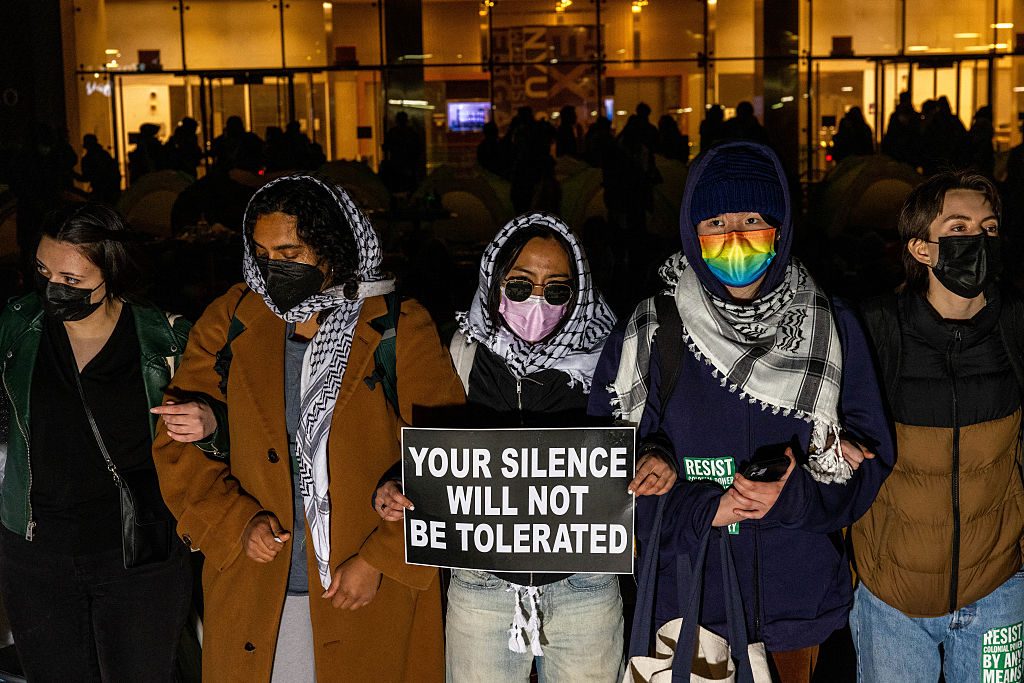
The survey, “After the earthquake: How the assassination of Charlie Kirk is reshaping campus speech nationwide”, asked over 2,000 college students about their perception of free speech in America. It found that most students equate words with violence, even after the high-profile assassination of conservative activist Kirk in September. Only 9% thought that words could not be violence. In comparison, 79% of college students thought that silence could be a form of violence, with just over a fifth saying silence couldn’t be construed as violence.
In the wake of Kirk’s shooting, the survey found that a notable portion of students are less comfortable expressing their views on controversial topics in class (45%), in common campus spaces (43%), and on social media (48%). Over a quarter (26%) said they had no or very little confidence that their institution would protect their First Amendment rights. Only 5% had full confidence.
Students at Utah Valley University — where the assassination took place — were more likely than the wider American student body to have their views changed by the incident. For example, 72% of UVU students said they were a “great deal” or “slightly” less comfortable attending controversial public events on campus, compared to 47% among non-UVU students.
On the campaign trail last year, Donald Trump said that “if we don’t have FREE SPEECH, then we just don’t have a FREE COUNTRY.” On regaining the White House, he signed Executive Order 14149, titled “Restoring Freedom of Speech and Ending Federal Censorship”.
Earlier this year, the administration cracked down on pro-Palestine protests across university campuses. In May, Secretary of State Marco Rubio said the State Department is “reviewing the visa status” of protesters who occupied Columbia University’s main library in Manhattan. This followed an EO titled “Additional Measures to Combat Anti-Semitism”. Meanwhile, a major survey from FIRE in September found that a majority oppose allowing speakers with controversial viewpoints, whether liberal or conservative, to speak on their campuses.
An October survey from Marist Poll also found widespread disillusionment with the state of free speech in the US. It found that nearly eight in 10 Americans (79%) thought the country had gone too far in restricting the right to freedom of speech. Democrats (88%) and independents (86%) were more likely than Republicans to think this, but 64% of GOP voters still agreed.
Following Kirk’s murder, Utah’s Republican Governor Spencer Cox said: “We need more moral clarity right now. I hear all the time that words are violence. Words are not violence. Violence is violence.”

Join the discussion
Join like minded readers that support our journalism by becoming a paid subscriber
To join the discussion in the comments, become a paid subscriber.
Join like minded readers that support our journalism, read unlimited articles and enjoy other subscriber-only benefits.
Subscribe