








December 31 2025 - 1:00pm
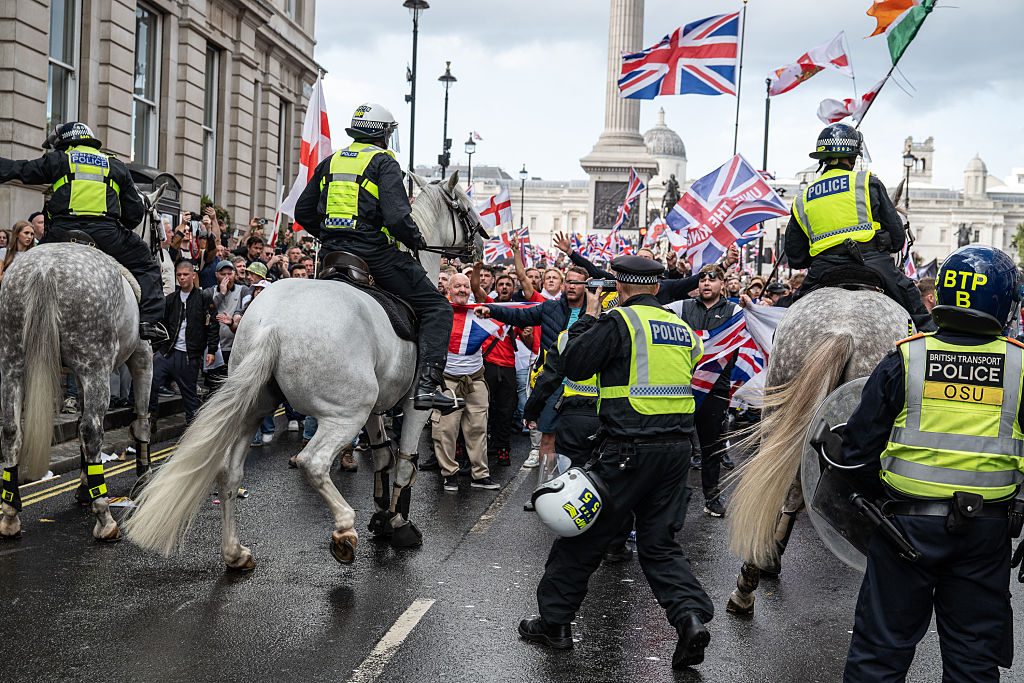
New research has found an increase in the number of Britons who believe that a person must be born in the country to be considered truly British, with a significant number tying national identity to race and ancestry. So, are we witnessing the rise of ethnic nationalism in modern Britain?
A YouGov poll carried out on behalf of the Institute for Public Policy Research (IPPR) found that 36% of the public thought a person had to be born in Britain to be truly British — almost double the 2023 figure of 19%. Ethnic and ancestral conceptions of nationhood are the norm among supporters of Nigel Farage’s Reform UK, which continues to lead in the polls. While seven in 10 Reform supporters said that having British ancestry was a prerequisite for someone to be truly British, six in 10 believed the nation was an ethnic — not a civic — community. More than a third of Reform UK voters (37%) said they would be prouder of Britain if there were fewer ethnic-minority people in 10 years’ time, with one in 10 holding the view that it was important to be white to be considered a good British citizen.
While civic understandings of Britishness based on good character and shared values remain mainstream opinion, an era of rapid population change and significant cultural diversification has resulted in the growing popularity of more exclusionary and “ingroup” framings of national identity. A Policy Exchange report published earlier this month found that over 4.8 million migrants had arrived in the UK in the four years leading to June 2025 — 50% more people than the entire population of Wales. Following the post-Brexit liberalization of visa rules under former prime minister Boris Johnson, much of this international migration has originated from non-EU countries such as India, Pakistan, and Nigeria, all three of which have significant issues with religious violence. This unprecedented scale of immigration has taken place after the 2021 Census, which showed that white British people were already a shrinking minority in cities such as London, Birmingham, and Leicester.
These astonishing demographic changes, combined with an ongoing small-boats emergency where illegal migrants from countries such as Afghanistan and Eritrea have been placed in all-inclusive accommodation against the wishes of local communities, are bound to have an impact on the conceptualization of national identity. Native disillusionment has been reinforced by blatant forms of two-tier governance (especially in policing), the proliferation of “diversity, equity, and inclusion” (DEI) policies which have been discriminatory towards white people (particularly males), and the pseudo-intellectual erasure of national history.
The latest survey figures on national identity should concern those who have a progressive vision of Britishness based on common values and mutual obligations. One interpretation is that it appears to be increasingly difficult for Britons to remain “open-minded”, “inclusive”, and “tolerant” under the cultural-demographic threats they face in an era of remarkable population change. The scandal surrounding Egyptian-British dissident Alaa Abd El-Fattah, who was given diplomatic assistance thanks to tenuous family links despite being an obvious national security threat, will do little to calm the anxieties of those who believe that UK citizenship ought to be tougher to acquire.
For the civic-nationalist dream to be kept alive in modern Britain, immigration and asylum rules must become more selective, and naturalization procedures ought to be tightened. When asked what would make them proud of the country in a decade’s time, respondents to the poll prioritized good public services and quality of life: 69% said a well-functioning NHS and 53% cited affordability. This shows that concerns over quality of life and a functioning state matter more for the majority than the ethnic constitution of the country. Addressing Britain’s immigration and standard-of-living crises is a tall order, but could allow for a generally civic notion of Britishness that would take seriously cultural-demographic concerns but not reduce people to their group identity.
If the British governing classes wish to stem the tide of ethnic nationalism, there needs to be a radical overhaul not only of the immigration system, but of the entire legal-constitutional order and many of our public institutions. A grand restoration must be one that unapologetically promotes the interests of established British citizens and culture, whatever their ethnic heritage.
Dr Rakib Ehsan is a researcher specialising in British ethnic minority socio-political attitudes, with a particular focus on the effects of social integration and intergroup relations.
 rakibehsan
Join the discussion
Join like minded readers that support our journalism by becoming a paid subscriber
To join the discussion in the comments, become a paid subscriber.
Join like minded readers that support our journalism, read unlimited articles and enjoy other subscriber-only benefits.
Subscribe