








December 2 2025 - 10:00am
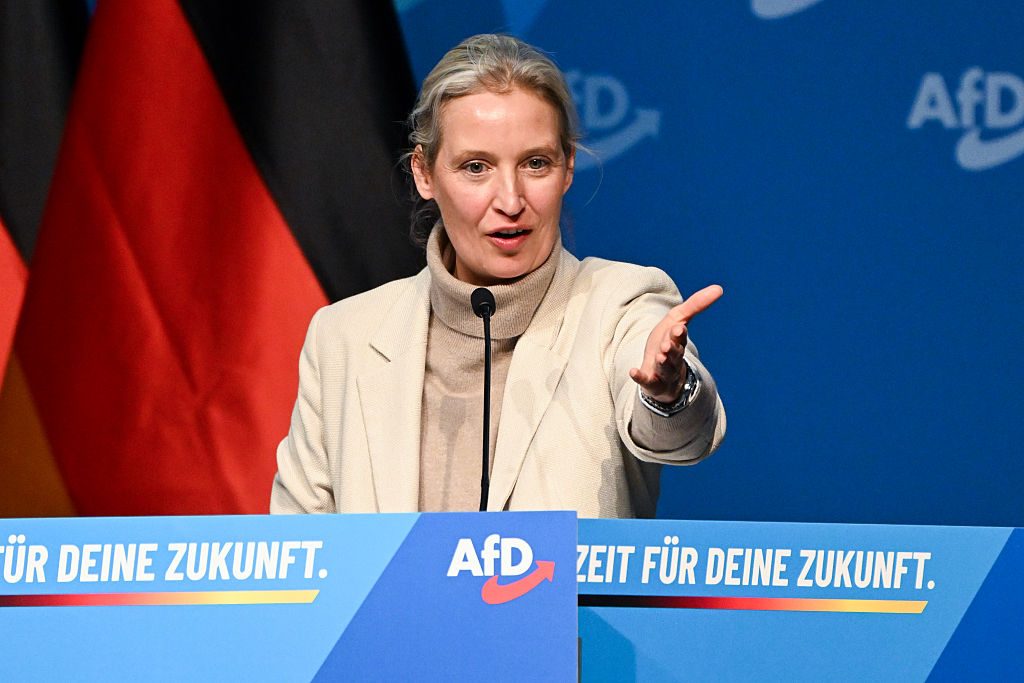
To AfD or not to AfD: that is the question many German businesses are now asking themselves. According to numerous polls, the anti-immigration Alternative für Deutschland is Germany’s most popular party, neck-and-neck with the ruling Christian Democratic Union (CDU). The AfD has become a major political player, yet it’s also been classified as a Right-wing extremist group by domestic intelligence. The German business world is deeply divided over how to respond to its rise.
Most recently, the Association of Family Businesses, an organization with around 6,500 members representing small and medium-sized family-run companies, caused controversy by declaring that it would abandon its cordon sanitaire against the party. Last month, it invited Leif-Erik Holm, the parliamentary AfD’s spokesperson for economic policy, to a lobby event for the first time.
The backlash was intense. Some high-profile companies left the organization in protest, including soft drinks manufacturer Fritz-Kola, drugstore giant Rossmann, and kitchen appliance producer Vorwerk. Fearing further loss of influence and revenue, the Association of Family Businesses has now relented to the pressure, declaring in a statement that inviting AfD representatives “had turned out to be a mistake”. It declared it would take a “stance in the upcoming state elections that was clearly and visibly against the AfD”.
This tactical retreat was met with widespread relief from the ruling parties today. A CDU representative said he was “glad so many had taken a stance and distanced themselves from that fatal decision” to engage with the AfD. A politician from their center-left coalition partner, the Social Democratic Party, took it as “an encouraging sign that the member companies have stopped this wrong turn”.
But public pressure won’t change the reasons why some business representatives are reaching out to what is now the largest opposition party in parliament. By definition, anyone opposed to current measures might be tempted to speak to the AfD for lobbying purposes. Chancellor Friedrich Merz had promised drastic reform but has so far done little in crucial areas such as energy policy, which underpins Germany’s industry-heavy economy. Such is the frustration of many business leaders, they are tempted to use the AfD to break the status quo.
Some industry captains also feel they should speak to the AfD because the party is now a chief representative of their employees. In the last federal election, 38% of workers voted for the party. In some parts of the country, especially in the former East Germany, that figure goes up to nearly half. At the municipal and regional levels, the AfD is already a key political player, shaping important decisions for local businesses on subsidies and infrastructure. Many smaller and medium-sized businesses want influence over such decisions and feel they can’t afford to shun the party.
Holger Loclair, who runs Orafol, a producer of foil and adhesives with nearly 3,000 employees based just north of Berlin, is one of the few business leaders who openly admits to engaging with AfD politicians. “To cut out such voices may be rhetorically comfortable, but it’s neither realistic nor respectful,” he told Der Spiegel last week. “You don’t have to follow them, but you have to listen to them.” Earlier last month, AfD leader Alice Weidel claimed that “the support we as the AfD receive from business is increasing more and more — so far mostly still behind closed doors.”
There is still much skepticism in business spheres towards AfD policies, particularly its promise to significantly increase pensions, its Euroskepticism, its focus on rebuilding a national economy, and its push for Germany to withdraw from the eurozone. Nonetheless, there appears to be a significant minority of business leaders who are talking to the party, either because they support its program outright or because they feel that not engaging with an increasingly powerful political entity would be to their detriment.
What’s certain is that the frustration is building in the German business community, and pressuring the sector to stay away from the AfD won’t fill anyone with confidence in the established parties. The solution is not in declaring certain actors, thoughts or modes of discourse verboten. It lies, as ever, in better politics.
Katja Hoyer is a German-British historian and writer. Her latest book Weimar: Life on the Edge of Catastrophe will be released in May 2026.
 hoyer_kat
Join the discussion
Join like minded readers that support our journalism by becoming a paid subscriber
To join the discussion in the comments, become a paid subscriber.
Join like minded readers that support our journalism, read unlimited articles and enjoy other subscriber-only benefits.
Subscribe