








December 9 2025 - 1:00pm
China’s goods surplus has shattered a $1 trillion record for the first time, and shows signs that it will keep rising. While this demonstrates Beijing’s manufacturing dominance, it also uncovers a dangerous dependence on other countries beginning to question whether China’s growth is coming at the expense of everyone else.
There is more to the news than just an economic miracle. This record surplus is being driven not only by China’s growing strength in sectors such as electric vehicles, batteries and robotics, but also by a weak yuan, little in the way of domestic demand, and a prolonged property crisis. These factors have kept import growth low and decreased the appetite for many high-end foreign goods.
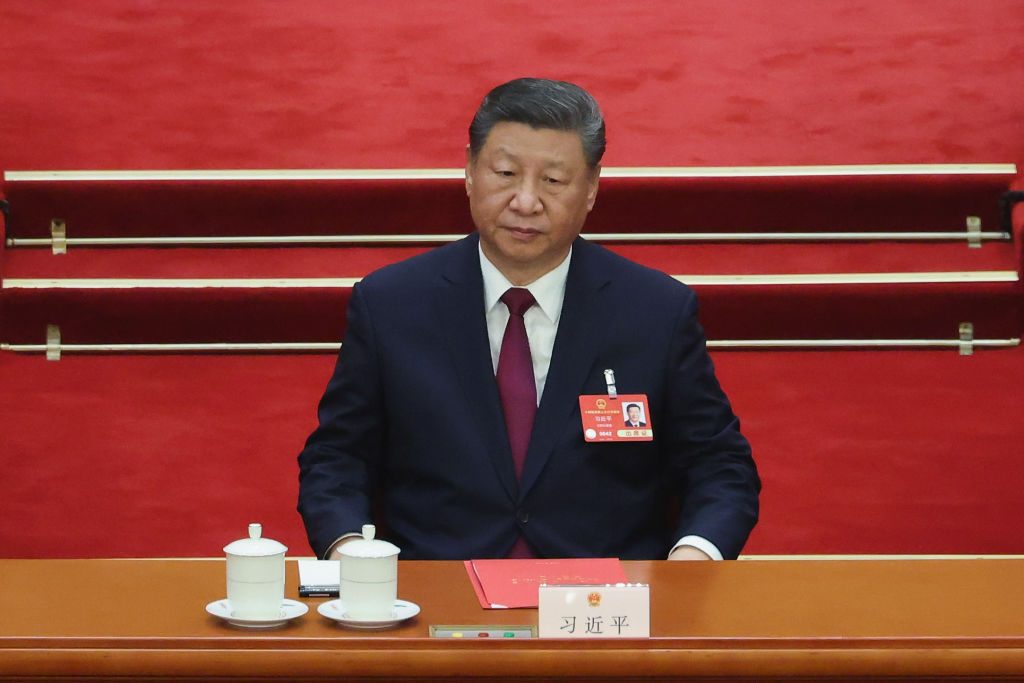
This success has been no accident. President Xi Jinping’s economic strategy has two fundamental goals. The first is to make China dominant in key manufacturing supply chains, while increasing the costs from potential Western trade shocks, such as sanctions and tariffs. This is conducted in tandem with the second goal: to make the world dependent on China, while increasing Beijing’s own independence. In the past few years, the country has accelerated self-reliance in advanced manufacturing sectors and components such as semiconductors. However, China’s economic growth has still failed to rely mostly on domestic consumption.
And so this record trade surplus, far from proving that Beijing can “de-risk” from the world, has shown that the country’s dependence is still on global demand, pushing ever-cheaper goods abroad, and how exposed other countries are to Chinese overcapacity. What’s more, China’s export dependence also faces the challenge that it must often accept the demands of other countries to address overcapacity worries, which will put Beijing in a tougher diplomatic spot.
Even if Donald Trump’s tariffs on Chinese goods haven’t been as effective as initially hoped in pushing back against Beijing’s manufacturing dominance in the short term, this will fuel a stronger protectionist backlash in the US and Europe. For example, French President Emmanuel Macron came back from his recent visit to Beijing empty-handed, immediately called the trade imbalances “unbearable”, and then demanded higher tariffs on Chinese products. The recent push from Germany to move away from Chinese manufacturing could prove to be a bellwether for the effectiveness of any future decoupling.
China’s trade surplus is provoking anxieties throughout the developing world, which some analysts are already labeling the “Second China Shock”. In that sense, managing Beijing’s overcapacity will become the defining issue in China policy not only for Europe, but also for emerging markets such as Brazil and Indonesia. The geopolitical impact of this is clear, as China has been fostering relations with countries from the Global South, which could see their manufacturing ambitions crushed before they even take off. Depending on how Beijing navigates this reality, it could set up a second front of tensions as more countries discover that “friendship” with China does not protect them from being deindustrialized by the country’s surplus.
Miquel Vila is a political consultant specialising in international affairs. He is also the executive director of the Catalonia Global Institute.
 miquelvilam
Join the discussion
Join like minded readers that support our journalism by becoming a paid subscriber
To join the discussion in the comments, become a paid subscriber.
Join like minded readers that support our journalism, read unlimited articles and enjoy other subscriber-only benefits.
Subscribe