








November 28 2025 - 10:40am
The tragic shooting of two National Guard soldiers in Washington, DC on Wednesday will have military and law enforcement officials concerned for what might happen next. Sarah Beckstrom, 20, has died from her injuries while 24-year-old Andrew Wolfe “is fighting for his life”, according to President Donald Trump. The suspected attacker, Rahmanullah Lakanwal, is a 29-year-old Afghan refugee who formerly fought alongside the CIA against the Taliban.
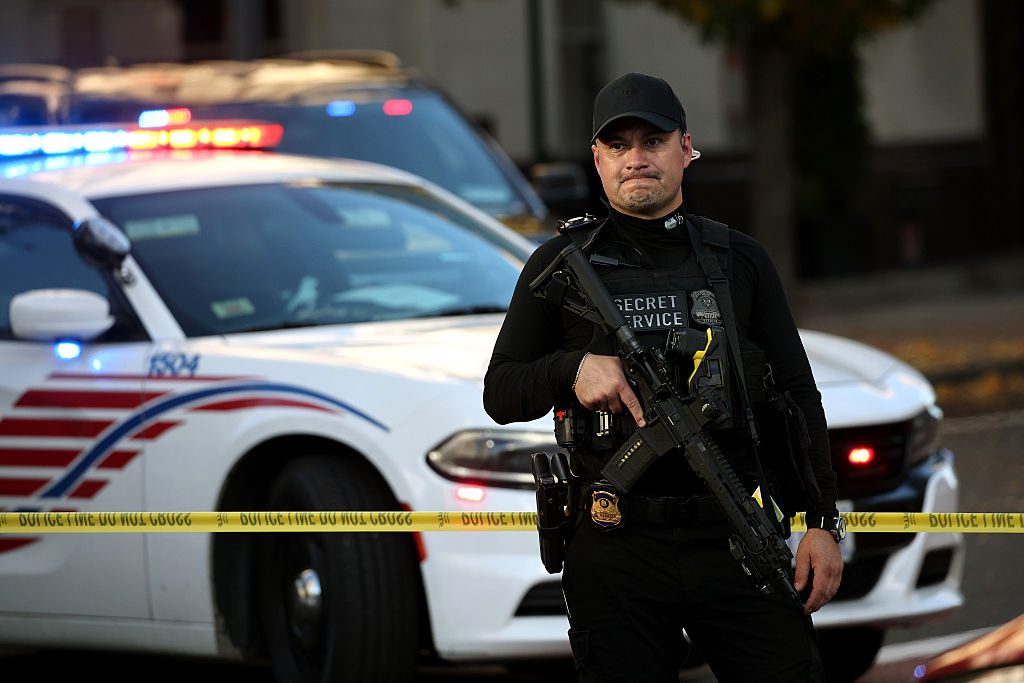
Authorities will now have two major concerns. The first is that the approximately 2,600 other NG members deployed in the city might become targets of so-called “copycat” attackers. The second is that while their service in DC has been exemplary, newly on-edge guardsmen might overreact in their interactions with the public and use unnecessary force.
The first of these points is the most urgent. Lakanwal has made international news headlines with his attack, and has shown that it is possible to ambush two armed members of the US military just a few blocks from the White House. As with other high-profile crimes such as assassination attempts or terrorist attacks, incidents such as this one always raise concerns of copycats.
While most people have reacted with revulsion to this assault, a small minority will take inspiration from it. They will see replicating this mayhem as offering new individual purpose and social importance. Authorities will thus order guardsmen to remain especially vigilant and patrol in larger groups so as to more effectively deter and defeat potential attackers. The Department of Homeland Security and the FBI will also prioritize intelligence-gathering on individuals showing an unusual level of interest in how this attack was carried out and where, for example, national guard patrols are operating.
But we must also remember that guardsmen are only human. It is understandable that they will now be more wary in their engagement with the public. And while Defense Secretary Pete Hegseth has now deployed an additional 500 guards to DC, the nature of the city’s civilian environment inherently complicates effective force protection for the guards. After all, they are operating in highly visible combat uniforms amid intense political controversy over their deployment and Trump’s broader use of the military. But unlike DC Metropolitan Police Department, guardsmen are not well-prepared for law enforcement operations.
The risk, then, is that armed guardsmen may now overreact to incidents that do not require them to use their firearms. Examples of potential confrontation include searches of suspected criminals, interactions with mentally ill people perhaps fidgeting in their pockets, anti-military protesters, or intoxicated drivers approaching a guard patrol in an erratic manner. Where DC police officers can manage the escalation curve in such incidents with the benefit of their training and experience, guardsmen can only do so with the benefit of training that, while including civilian interaction, is ultimately focused on conflict. The possibility of miscalculation has grown significantly since Wednesday through no fault of the National Guard.
This leads to a broader point. Crime statistics leave no doubt that Trump’s crackdown on the capital’s crime is bearing positive results. Still, the National Guard has played a relatively insignificant role in this outcome. Instead, declining crime is a product of escalated federal law enforcement efforts alongside the DC Police and increased prosecutions of habitual criminals by US Attorney for the city Jeanine Pirro. This has had an additional positive effect in boosting police morale and encouraging more active anti-crime efforts by officers.
It would be a mistake to immediately withdraw guards from DC, as this would suggest terrorism pays dividends. But we should not neglect a prudent cost-benefit analysis of deploying armed military personnel onto American city streets.

Join the discussion
Join like minded readers that support our journalism by becoming a paid subscriber
To join the discussion in the comments, become a paid subscriber.
Join like minded readers that support our journalism, read unlimited articles and enjoy other subscriber-only benefits.
Subscribe